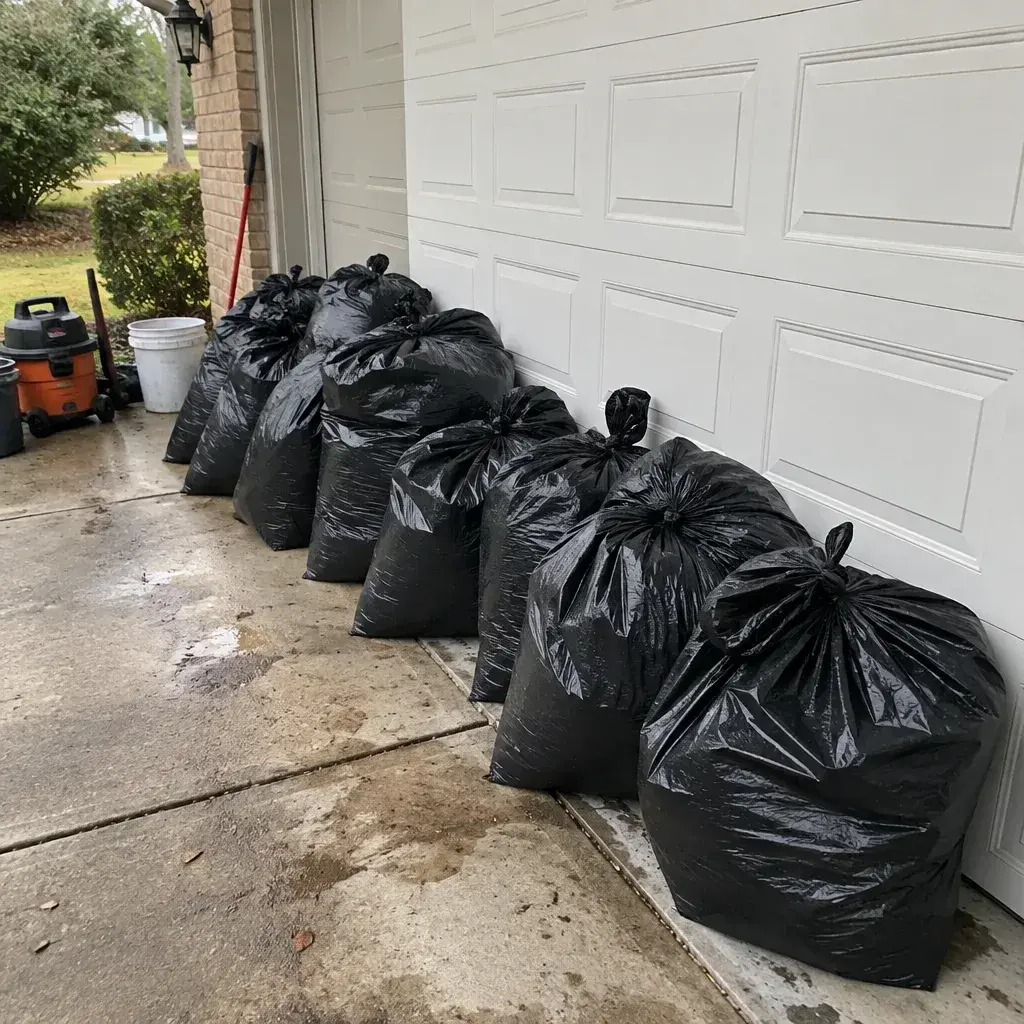
Response Time
Learn how to describe the affected area, what can affect scheduling, and how to stay safe until cleanup begins. Learn what to report, what can shape scheduling, and what to confirm while waiting.
Read article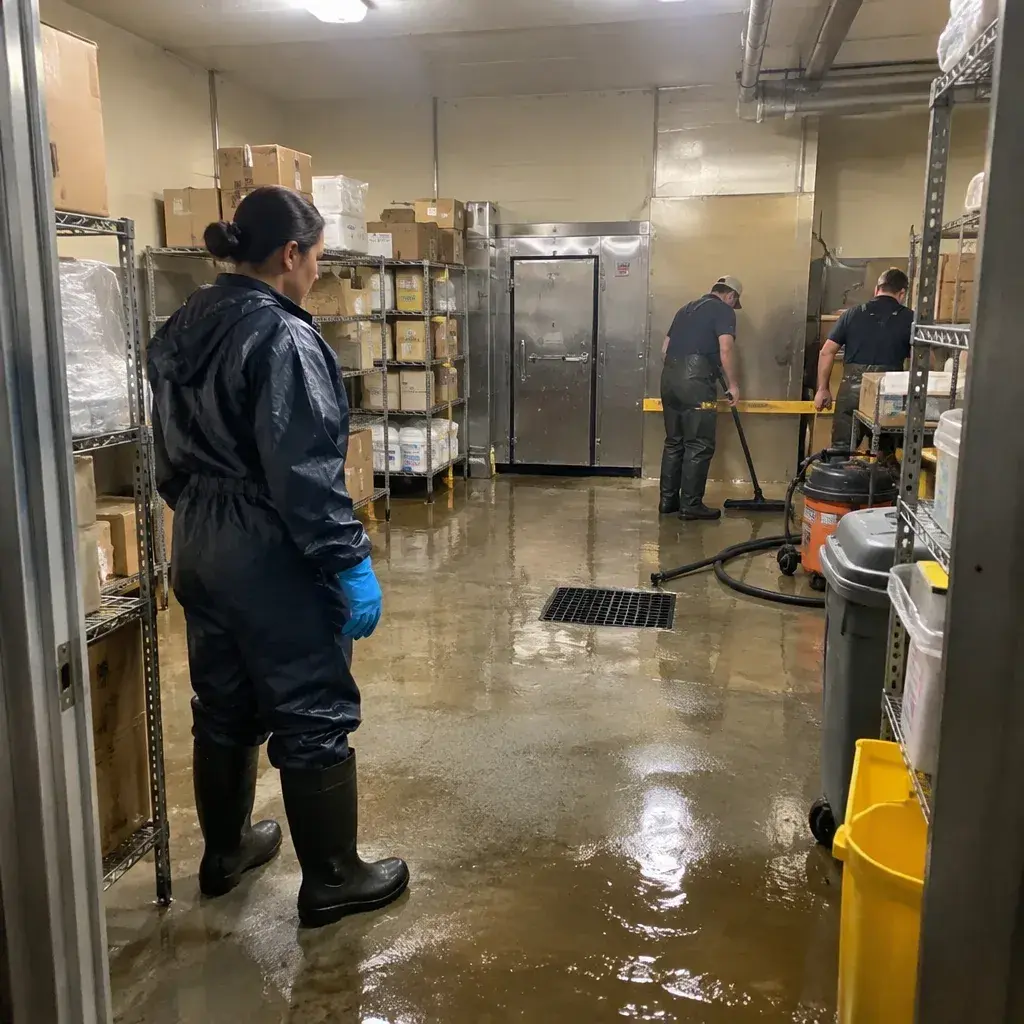
Find cleanup help for contaminated water, damaged materials, and wet structure.
A toilet overflow can leave contaminated water around the bowl, then carry it through grout lines or beneath a vanity before you see where it stopped. In Minnesota, heavy rain and seasonal snowmelt are useful context when discussing a backup, but the cause at a particular home needs separate attention. A ranch near Sunrise Prairie Regional Trail and a house by Beaver Creek Valley State Park may face different access and drying conditions. If water reached an outlet or appliance, avoid touching it and mention that during the call.
A toilet overflow can spread beyond the bathroom if wastewater crosses a threshold or reaches nearby flooring and stored belongings. In Minnesota, winter temperatures and humid or rainy periods can affect indoor drying, but they do not identify the source or scope at a particular property. Tell the pros we connect you with which fixtures were involved, when the overflow occurred, and what rooms or materials became wet. They can assess contamination, decide what needs removal or treatment, and plan drying around the actual building conditions.
Before work starts, confirm the address has a sewer connection and sewage reached indoors; Toilet Overflow Sewage Cleanup treats contamination there, while a plumber investigates or repairs its source. Afton, Akeley and Adams mark coverage examples only.
Homeowners can find household cleanup guidance at Sewer Backup Cleanup; if you manage a shop, office, or rented unit, consult commercial sewer backup cleanup.
Tile may look intact while grout joints or the layer beneath it have taken in contaminated water. If flooring feels spongy, edges lift, or a seam darkens after a toilet overflow, tell the assessor which spots were wet and how far the water moved. A musty smell or discoloration may appear after surface water is gone, so mention any changes you notice later. A cleanup provider can check accessible layers and explain whether removal, cleaning, disinfection, or drying is appropriate.
Check the room boundary and nearby low surfaces for evidence of travel: damp baseboard, swollen door trim, or staining at a stair landing can mark where overflow water reached. In a split-level home, the bathroom may sit above another finished area, so report any marks below it as well. The provider can use that account to inspect connected surfaces and set containment before debris or foot traffic carries contamination farther. Do not handle affected materials yourself.
Check the edges of the affected area without stepping into it. In a split-level, water from an upstairs toilet can travel along a landing or stair edge; in a ranch, it may pass through a doorway and under flooring at the next room’s threshold. Tell the cleanup provider which rooms and transitions may be involved. That route helps the assessment account for surfaces and building materials beyond the visible wet patch before cleaning and drying begin.
The assessor reviews your account of the spill and checks connected rooms, floor edges, and lower levels to set the work boundary.
Containment limits movement between affected and clean areas while equipment extracts contaminated water from the floor.
The provider removes unsalvageable porous materials, then cleans and disinfects the affected surfaces left in place.
Moisture readings guide drying equipment and follow-up; odor treatment can follow once residue and affected materials are handled.
Water from a toilet overflow can pass beneath finish flooring and reach trim, wallboard, or the ceiling below. In Minnesota houses, ranch layouts and split-level floor plans create different routes between rooms, so the cleanup boundary should follow the water's path through the building. A clear boundary can also help prevent contamination from being tracked into rooms the water did not reach. Drying the exposed structure after extraction and cleaning helps address moisture held in the remaining materials.
If the toilet backs up again after the overflow, mention that the source may still need plumbing attention. When you call, describe the address and what came out of the toilet; the provider can discuss whether the reported condition fits sewage cleanup. Ask how entry, equipment placement, and removal of affected contents will work in your home. Keep a simple record of wet rooms and damaged items, and check with your insurer about policy terms before assuming cleanup will be covered.
Ask what precautions will keep contaminated water and debris within the work area, and how removed material will be contained for disposal. Ask how the provider will confirm that affected materials are dry before the work area is closed. In Minnesota, state cleanup guidance is available, but the right plan depends on the materials and contamination at your address. Photos and notes can help document the work; your insurer determines coverage under your policy.
Use Toilet Overflow Sewage Cleanup ranges for Minnesota as an initial budget reference. The pros we connect you with can identify any assessment cost and provide a written account of planned cleanup.
| Structural Components | Material Decisions | Drying Conditions |
|---|---|---|
| Hard surfaces | Assess the affected area and note the work its condition calls for | an estimated $1,200–$3,000 |
| Absorbent contents | Agreed work may cover sewage removal, surface cleaning, disinfection, odor care, and structural drying | an estimated $1,380–$3,900 |
| Mixed materials | Documented findings can extend the agreed cleanup area or include additional affected materials | an estimated $1,200–$3,000 |
| Materials and framing | Photos and notes can help track affected areas and explain the cleanup steps taken. | an estimated $2,880–$12,000 |
Across Minnesota, added odor treatment or drying can change cleanup costs. If rebuilding follows, longer-lasting replacement materials can affect that part of the project. The amount of material that needs removal can also shape the cleanup work.
Keep foot traffic out of the wet area until the licensed pros we connect you with can assess its condition. The pros we connect you with can review where the spill reached, set a work boundary, extract the water, and identify materials for removal or treatment. Tell them whether water reached another room or level. If the overflow source remains active or needs investigation, arrange plumbing help separately; cleanup handles contamination inside the home.
The assessment should distinguish absorbent items that took in sewage from hard surfaces that can be cleaned and disinfected. Ask the provider to identify what they found in each affected area and how it will be handled, including flooring layers, trim, and wall materials. That gives you a clear scope for removal and drying. Keep belongings that have been cleaned apart from items that still need review.
The provider first limits access to the affected area and extracts contaminated water. They can then remove materials that cannot be adequately restored, clean and disinfect surfaces that remain, address odor after residue is dealt with, and dry affected building materials. The order matters: extraction and material removal expose areas that need treatment, while drying checks help track remaining moisture. Ask what each stage includes for the rooms in your home.
Yes. Water you wiped up may also have entered a grout joint, floor seam, or wall edge. Tell the assessor what you removed, when you noticed the overflow, and which rooms or belongings were touched. That history helps guide inspection and the cleanup boundary. A dry-looking finish by itself cannot establish that the layers beneath it are ready to remain or that structural drying is complete.
Sewage can spread beyond the bowl when it reaches flooring, rugs, or nearby belongings. Describe the rooms involved and ask what assessment is appropriate. If the toilet keeps overflowing or the cause is unresolved, arrange for a plumber to address the plumbing source.
The scope depends on the amount of water, the rooms and building materials it reached, and whether concealed layers need inspection or drying. Describe the overflow path and any cleanup you have already done so the provider can assess those details. Access to affected rooms can influence how the inspection and drying are arranged. Insurance terms vary, so confirm potential coverage directly with your insurer.
Toilet overflow sewage cleanup is $1,200–$3,000 for this work. Contamination can extend beyond the spots where sewage is visibly present.
In Minnesota, learn how an assessment guides choices for contaminated materials and affected surfaces.
Learn how to describe the affected area, what can affect scheduling, and how to stay safe until cleanup begins. Learn what to report, what can shape scheduling, and what to confirm while waiting.
Read article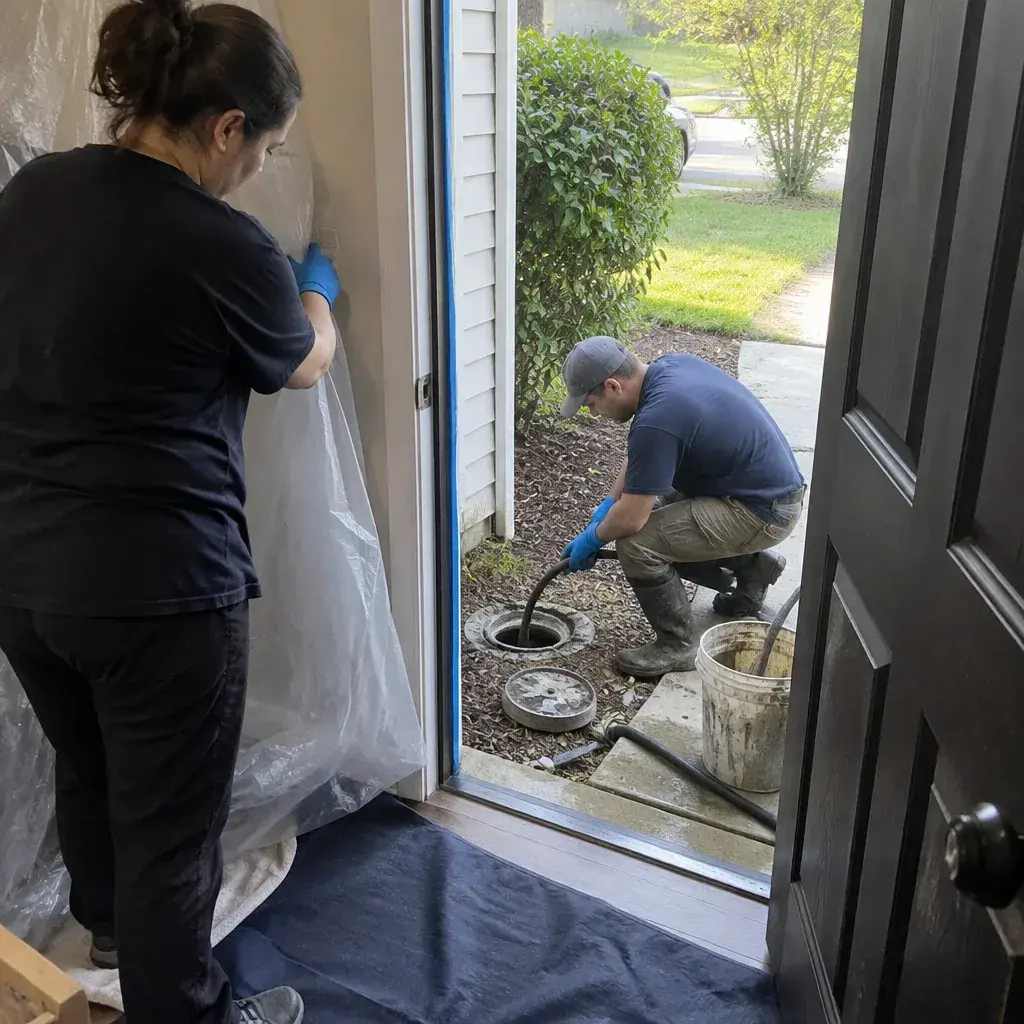
Contaminated materials can leave residue behind even after visible sewage has been removed. This Minnesota guide explains why a clean room alone may not settle whether you should remain in the house during cleanup.
Read article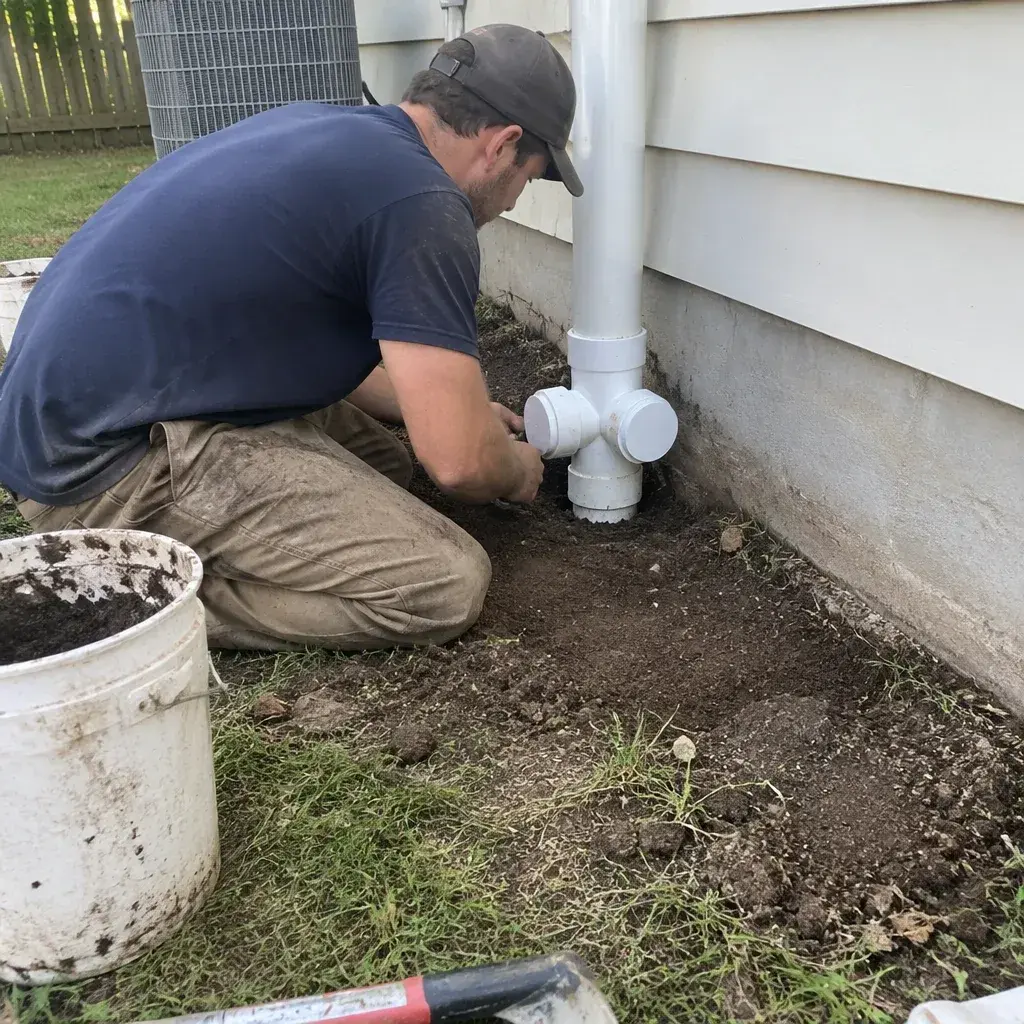
Across Minnesota, reentry depends on the condition of each space and any plumbing work still outstanding. Use this guide to prepare questions before resuming normal use.
Read articleAcross Minnesota, service-area questions start with the property address: ZIP coverage does not establish a sewer connection or confirm that a particular address can be served. An address check can clarify service availability, while the assessment determines the cleanup needs. Ask whether they can assess the property, how they will decide what to remove or treat, and what drying involves. Which work is written into the scope, and what would be arranged separately?
Call (612) 493-4857