Understand the Parts
Learn how area separation, sewage removal, surface cleaning, disinfection, and drying fit into cleanup.
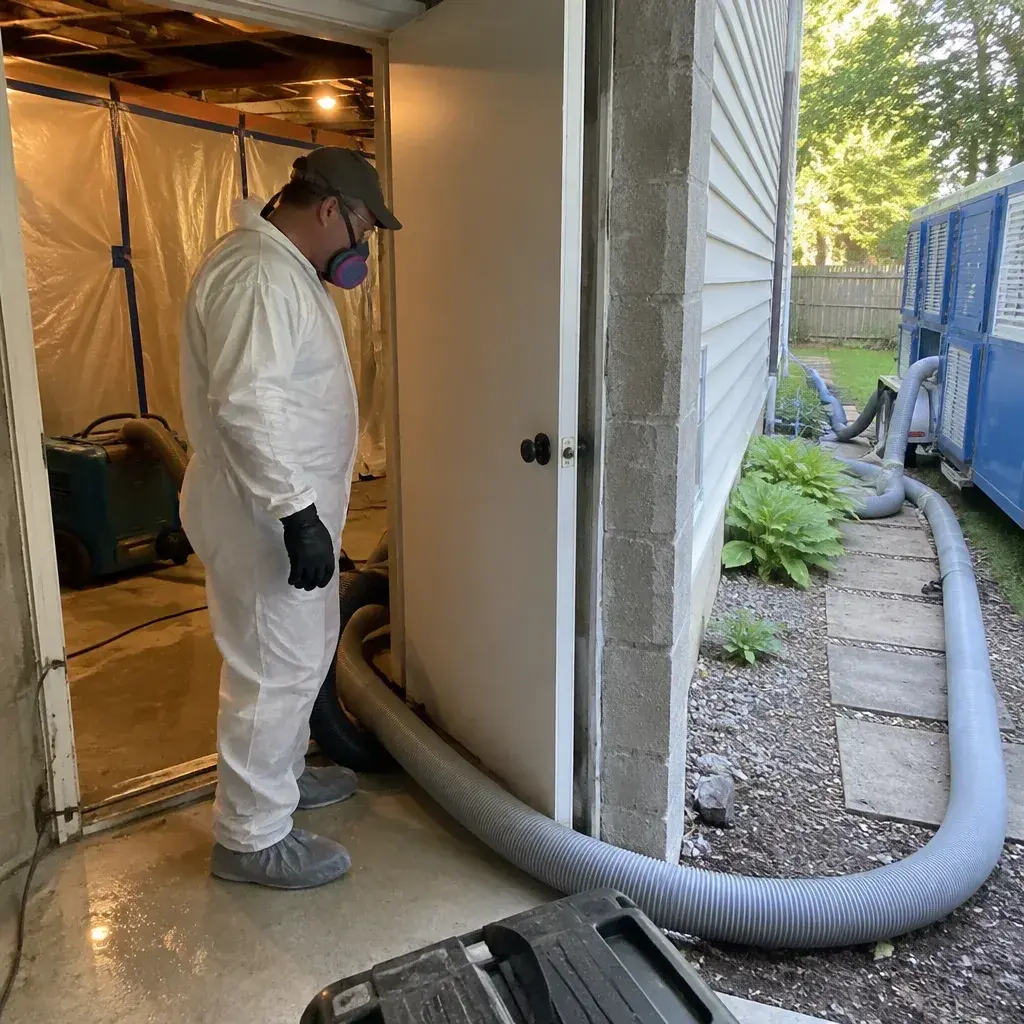
Across Minnesota, this site explains what happens after sewage enters a home and connects homeowners with the pros we connect you with. A careful inspection can help identify contamination that is not obvious from the visible spill. Drying matters because moisture can remain inside floors or walls after the surface looks dry. Minnesota landmarks include Veterans Memorial Community Center, Pond Environmental Learning Center, and Beaver Creek Valley State Park. This site employs no cleanup workers. The pros we connect you with are independent; ask each provider about service area, availability, scheduling, and any visit charge.
The room and material notes give you a way to check that each planned step matches an identified need. The assessment records which rooms are affected, what can be cleaned in place, and which building materials need removal or drying. Containment marks the boundary between the work space and clean rooms; extraction and surface treatment happen within it. After cleaning, drying addresses moisture left in the structure. That sequence helps you understand the cleanup plan before work starts.
When you use the Minnesota referral line, have the property address ready and describe where the sewage appeared, what rooms it reached, and whether flooring, drywall, or belongings got wet. Write down when the backup started and whether it changed after you stopped using water. That account gives the independent pro a starting point for discussing what an on-site review would cover. Ask how they will separate affected rooms, handle materials that need to go, and record the work as it proceeds.
Minnesota weather can shape what reaches a home: intense rain, flooding, or fast snowmelt may add water to systems and contribute to backups. Note any indoor moisture you see after the weather clears. On a subdivision lot, water at the foundation and sewage indoors are different observations. A cleanup decision follows the contamination and moisture found in the building, not the storm outside.
Before work begins in Minnesota, ask how the provider will mark the work area and protect nearby rooms from tracked debris. Have the written scope lay out the work sequence, separate charges, and how you will be told if opening a surface changes the plan. Ask who approves added work, how progress and drying completion will be explained, and what records you will receive. Ask whether the written scope identifies which affected materials will be cleaned, removed, or dried. Get your questions answered before work starts.
Agree on how the pro will reach you if the scope needs to change after work starts. Ask how the pro will protect unaffected rooms, where removed material will go, and how you will know when drying is complete. Keep photos and notes as work moves along, and ask for a record of the completed steps. If the source is still unclear, who should check the line? If the insurer needs records, which documents can the pro provide?
Pick the cleanup information that matches your concern, then go over the affected rooms, planned work, and charges with the provider.
Learn how area separation, sewage removal, surface cleaning, disinfection, and drying fit into cleanup.
The residential guide covers staying clear, deciding what may need removal, and what to ask before cleanup gets underway.
Have unfamiliar words explained when they appear in the assessment, work list, or instructions for drying the structure.
List the rooms, surfaces, contents, smells, and damp spots touched by sewage so you can discuss next steps.
Before agreeing to work, ask who would perform the cleanup, what business credentials or training they have, and whether their insurance applies to this work. Minnesota has no state-issued credential reserved for sewer-backup cleanup, so ask the provider directly for its qualifications and current insurance details. Read the proposed work terms before deciding; this site cannot verify a provider’s credentials or insurance policy for you.
This website handles the referral process and can pass your request to independent cleanup providers; the site itself is not the cleanup provider. The licensed pros we connect you with can discuss cleanup questions based on the damage you describe. Your residential ZIP and the provider’s availability determine whether a connection can be made.
After you submit the form, the site can use your request to seek a connection with an independent provider. A provider who can respond may contact you using the information you supplied. Sending the form does not schedule cleanup or guarantee that a provider will be available; confirm the work and timing directly with any provider who reaches you.
There is no fee to submit a referral request through this website. If you decide to hire a provider, that provider discusses the proposed work and its cost with you; the affected area and cleanup needs can affect the amount. The source of a sewer backup can help explain how it affected the home and what cleanup may involve.
Your location and description of the backup can help the site route your request; contact information can let a provider reach you. Details you submit may be passed to independent providers for that referral. Give enough information to explain the situation, and avoid adding personal details that are not needed to discuss the property or the cleanup request.
Start by noting any changes in the affected area since the backup. Avoid touching or sorting items until the affected area has been evaluated. Ask how the work will proceed from sewage removal through material handling, cleaning, disinfection, and drying. Request a written scope, then confirm any visit charge and whether warranty terms apply to the proposed work. What records will you receive, and which tasks fall outside the scope?
Call (612) 493-4857