Returning Home
Across Minnesota, reentry depends on the condition of each space and any plumbing work still outstanding. Use this guide to prepare questions before resuming normal use.
Read article
Until the line problem is found, using water fixtures can risk another overflow into the affected area. A ranch, split-level, or house on a subdivision lot may have a different route of spread, so an assessment should map what was touched and decide what can stay, what needs disposal, and what must dry. Cleanup handles material inside the building; a plumber tracks down the line problem. Photos and written notes can support an insurer conversation, but policy terms decide coverage. Ask the licensed pros we connect you with to explain what their assessment covers before cleanup decisions are made.
After an assessment, barriers can help keep dirty water and debris from reaching cleaner rooms while extraction removes sewage. Materials that absorb contamination may need to be taken out because surface treatment may not reach what soaked in. Removed materials should be contained to limit contact with other areas. Drying comes afterward to reduce moisture left in the structure. Notes on the source can help guide repairs related to the backup. Coverage reaches areas near Cuyuna Country State Recreation Area.
During the assessment, ask how the pros will sort belongings and building materials for treatment, removal, or drying, and what will be checked beyond what looks wet. Photos, a material list, and notes on completed work can help you document damage; your policy determines whether cleanup is covered. If the property uses a septic system, clarify whether the problem belongs to sewer backup cleanup or another service. Minnesota coverage includes areas near Wykoff Commercial Historic District and Soudan Underground Mine State Park. If conditions change during cleanup, request an updated scope before work continues.
Across Minnesota, reentry depends on the condition of each space and any plumbing work still outstanding. Use this guide to prepare questions before resuming normal use.
Read article
Contaminated materials can leave residue behind even after visible sewage has been removed. This Minnesota guide explains why a clean room alone may not settle whether you should remain in the house during cleanup.
Read article
Learn how to describe the affected area, what can affect scheduling, and how to stay safe until cleanup begins. Learn what to report, what can shape scheduling, and what to confirm while waiting.
Read article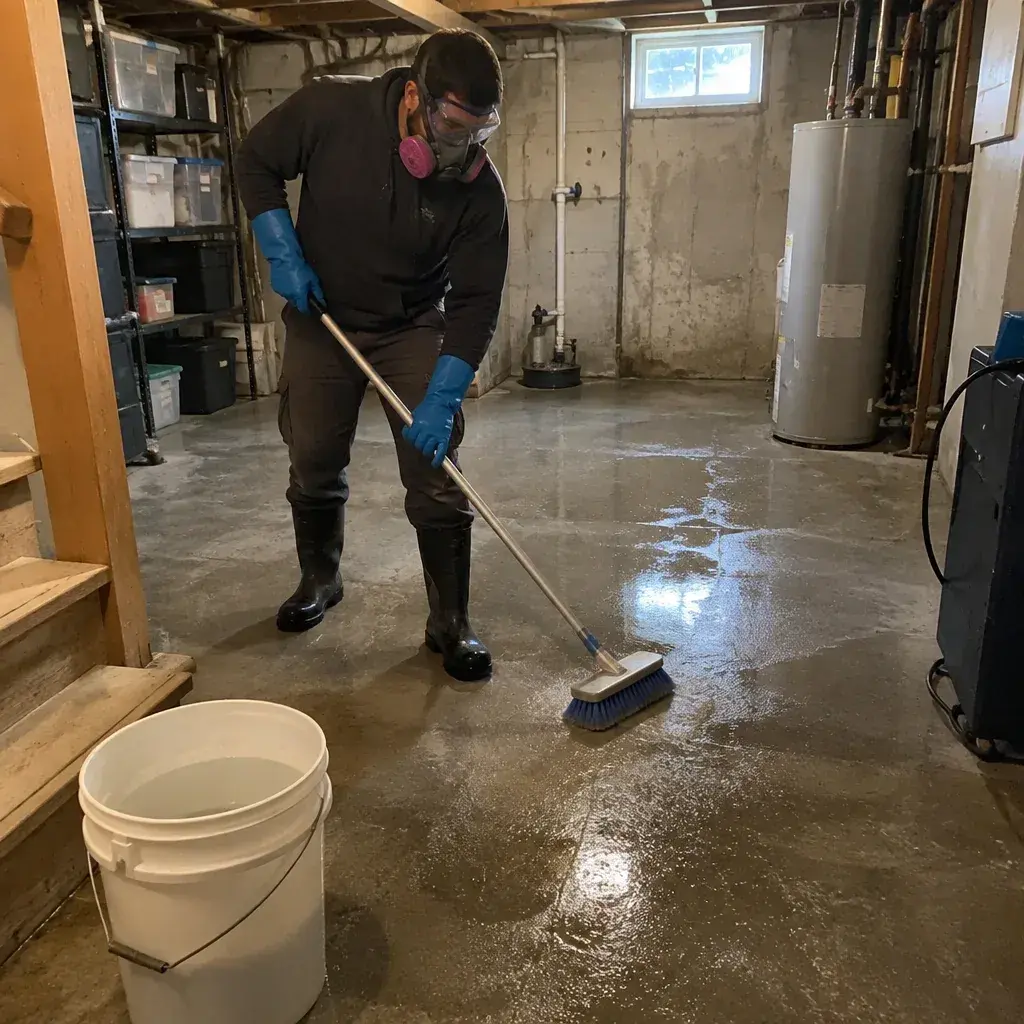
A Minnesota cleanup timeline follows the work required at the property. Learn which stages and conditions can affect the schedule, and what to ask the provider.
Read articleNo individual author or technical reviewer is identified in this material. Porous materials may hold contamination after the visible sewage is removed. That explains the basis of the advice, but it does not identify a person whose qualifications you can check or establish that every property needs the same work.
This copy has no timestamp showing when it was last checked, so it cannot establish how current each instruction is. In Minnesota, use the current product label for safety directions, and check your policy or ask your insurer about sewer-backup terms. The guide can help you understand cleanup issues, but it does not confirm current agency instructions or determine whether an insurer will cover a particular claim.
These guides draw on Minnesota health guidance about sewage hazards in flooded buildings, Department of Commerce information on sewer-system overload and policy-dependent coverage, and standard restoration practice for removing contamination and drying affected materials. Sewer-system overload is one cause of sewage problems in buildings affected by flooding.
After sewage enters a Minnesota home, do not walk through contaminated rooms or sort exposed belongings; have residents and pets wait outside the affected area. Describe the rooms, contents, and building materials involved so the pros we connect you with can assess the work. Ask whether porous items will be removed, what can be cleaned and disinfected, and whether structural drying is included. A plumber can investigate a blockage or damaged sewer line; indoor cleanup addresses the contamination left by the backup.
Call (612) 493-4857