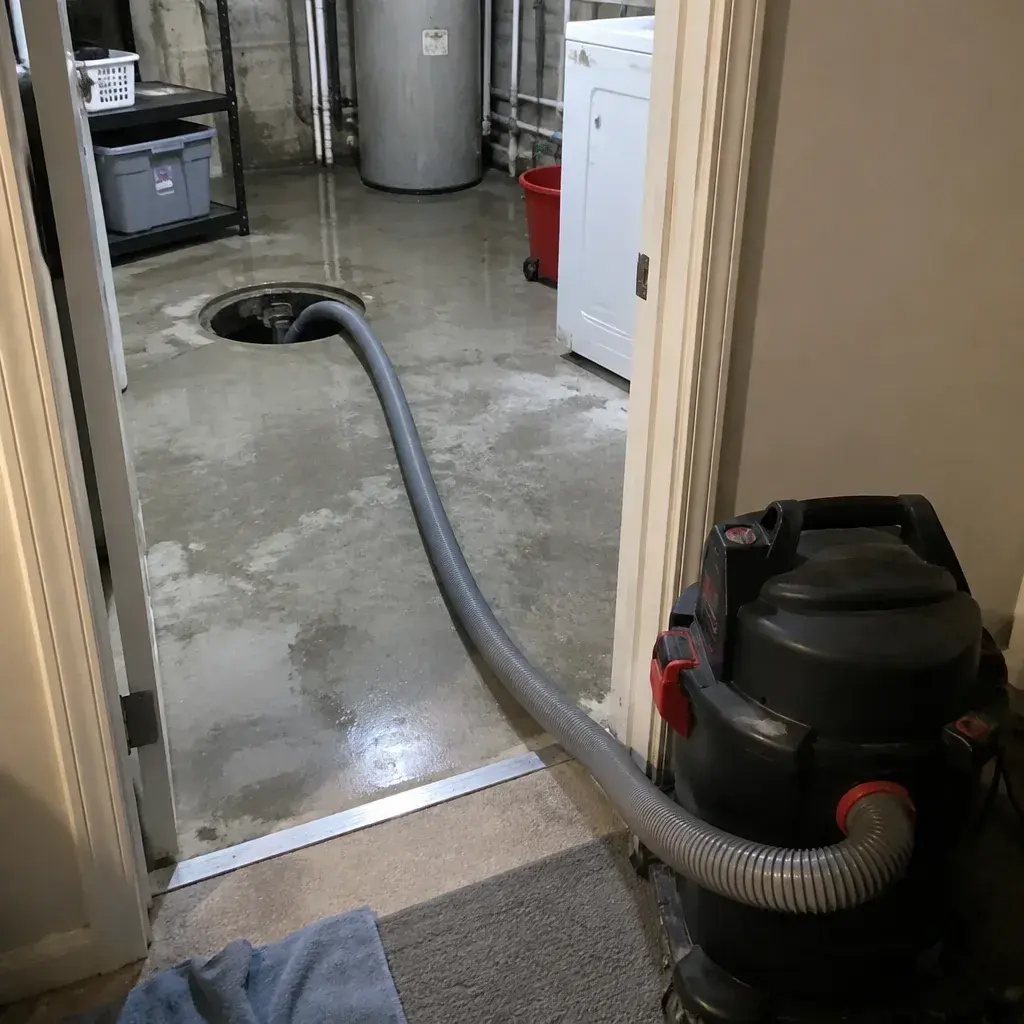
What does sewer backup cleanup run in Minnesota?
In Minnesota, there is no reliable cleanup total to infer from the words “sewer backup” alone. Whether sewage has stopped or is still entering can change what needs attention first. A useful estimate starts with findings from the property and states the tasks those findings support. Keep diagnosis or repair of the line in a separate plumbing scope. The sections below explain what changes the work, what to check in a proposal, and how policy terms affect coverage.
The route sewage took through the property helps define which surfaces and contents belong in the assessment. In Minnesota, the visible mark is only one clue: material beneath or beside it may also need attention. Ask the pros we connect you with to explain what they observed and why each proposed task follows from it. A ranch layout, split-level floor, or subdivision lot does not establish the cleanup scope; conditions at the specific property do.
Estimate Sewer Backup Cleanup Cost in Minnesota
Before an assessment in Minnesota, note the rooms or surfaces you know were affected and when you first found the problem. If you can do so safely, note any belongings that were in the affected area. If you can document the area safely from outside it, photos and notes may help show what was visible. The pros we connect you with can use your description as context, then determine what the site itself supports.
Select the affected space and the work under consideration to view a planning estimate. The menus rely on JavaScript; if it is unavailable, the page still describes the cleanup tasks.
Treat this as a budgeting reference, not a firm offer. Findings at the property shape the work: the path sewage took, the materials affected, and the effort for extraction, treatment, and drying. Get the provider’s written tasks and records requirements before agreeing to proceed.
Sewer Backup Cleanup Costs in Minnesota by Service
A cleanup plan in Minnesota may begin by separating the affected space, then removing sewage and any materials that cannot be treated adequately in place. Cleaning and disinfection address surfaces that remain; odor treatment may be needed, followed by drying of affected building materials. These are distinct tasks, so the service description should make clear which ones are proposed for your property. Items in the affected space may need their own cleaning or removal decision. Keep that work outside the cleanup estimate unless it is separately described.
| Cleanup | Guide range | Timing and added charges |
|---|---|---|
| Floor Drain Sewage Cleanup in Minnesota | an estimated $1,200–$3,000 | Confirm timing and added charges |
| Toilet Overflow Sewage Cleanup in Minnesota | an estimated $1,200–$3,000 | Confirm timing and added charges |
| Basement Sewage Cleanup in Minnesota | an estimated $7,000–$14,000 | Confirm timing and added charges |
| Crawl Space Sewage Cleanup in Minnesota | an estimated $3,200–$9,000 | Confirm timing and added charges |
What Drives Cleanup Cost as Damage Spreads
The boundary of contamination can matter as much as the room where you first noticed it. In Minnesota, a backup confined to one open area may involve fewer surfaces than sewage that moved through connected spaces or reached materials below the visible level. The affected footprint alone does not decide what stays or goes; the material and its condition matter too. Ask how the proposed work follows the spread that was found, including any surfaces beyond the first area you saw.
| Affected area | What the cleanup includes | Estimated cost | Drying needs |
|---|---|---|---|
| Basement material impact | Basement sewage recovery, selective porous-material removal, and disinfection of exposed surfaces | an estimated $7,000–$14,000 | Schedule after material assessment |
| Crawl-space reach and debris | Crawl-space extraction, reachable debris removal, surface disinfection, and drying assessment | an estimated $3,680–$11,700 | Set after crawl-space review |
| Toilet-room surface exposure | Toilet-room wastewater removal, contact-surface disinfection, and selective trim removal | an estimated $1,200–$3,000 | Confirm room drying sequence |
| Floor-drain spill extent | Floor-drain recovery, nearby surface treatment, and disposal of limited soiled material | an estimated $2,880–$12,000 | Arrange after moisture review |
Cost by Affected Room and Property
What lies behind a finish can change the work. In a Minnesota home, flooring layers, wall openings, tight utility areas, or stored contents may limit what can be inspected at first; access may need to change before the full condition is clear. Moisture readings can help show whether drying is still needed after visible sewage has been removed. Drying then addresses moisture in the building materials that remain. Ask the estimator to identify any limits on what was visible.
| Property and materials | Estimated cost | What drives the estimate |
|---|---|---|
| Compact spill on sealed flooring | an estimated $7,000–$14,000 | A bounded tile spill may need surface treatment without taking up floor coverings. |
| One-room hard floor, clear approach | an estimated $8,050–$18,200 | A clear stair route makes it easier to move extraction equipment into the basement. |
| Basement slab, limited affected area | an estimated $9,450–$23,800 | Close-set fixtures can slow cleaning where tools must reach narrow floor edges. |
| Floor blocked by stored items | an estimated $9,100–$21,700 | Items blocking the floor must be assessed before the full affected area is clear. |
| Sewage reached absorbent wallboard | an estimated $8,750–$21,000 | Sewage in absorbent wallboard can require cutting out material before drying. |
| Backup crossed into adjoining rooms | an estimated $7,000–$14,000 | Contamination reaching adjoining rooms adds surfaces to contain, clean, and dry. |
| Partition limits access to flooring | an estimated $7,350–$16,100 | Built-in partitions can restrict access to affected surfaces and complicate their assessment. |
| Finished walls conceal affected materials | an estimated $7,700–$17,500 | Damage behind finished surfaces can add careful removal and concealed-area drying. |
Six Things That Affect Cleanup Cost
A clear breakdown can show which tasks are included for each affected area, helping you understand how the building’s conditions shape the proposed work and compare the scope across rooms. A ranch layout may keep affected rooms on one level; a split-level can put separate spaces at different elevations, changing where inspection and drying are needed. Carpet, wallboard and other absorbent contents may need removal, while remaining surfaces may need cleaning and disinfection. Ask what odor treatment and moisture checks are included so you can compare the proposed work on the same basis.
How Far the Work Extends
A Minnesota quote starts with the footprint of the cleanup; the sections that follow explain why that footprint is only one part of the work. Whether you live in a ranch, split-level, or subdivision home, references to Frank Kolbinger Jr. do not determine which materials need assessment. If sewage reaches another room or level, the area needing assessment may grow. The boundary must be determined inside the property.
What Materials Need Handling
In Minnesota, the kind of material exposed affects what can stay and what must go. Drying needs can also shape the scope after contaminated material has been removed. An assessment sorts materials and contents by exposure and condition, then identifies what needs removal, treatment, or drying. That changes the handling and follow-up work in the quote, so each affected material should be considered on its own rather than treated as interchangeable.
Routes Through the Home
Room layout can add handling work in Minnesota homes even when the affected zone is modest. In a hypothetical split-level, a stair turn, narrow doorway, or belongings that need moving can slow removal and complicate keeping clean spaces apart from the work area. A quote may account for protecting the route, shifting contents, and carrying contaminated debris out. The actual path and condition of the structure matter; a ranch, split-level, and subdivision home do not offer identical access.
Treatment After Sewage Removal
In Minnesota, the scope can change with the layout of the affected rooms and how readily each area can be assessed and dried. A ranch with one contained space may call for a different drying plan than a split-level with affected rooms on separate floors. The pros we connect you with also consider which materials were reached, how accessible they are, and whether odor treatment is needed. The licensed pros we connect you with also weigh how long moisture remained and whether it spread behind finished surfaces.
Moisture Left in the Structure
Once cleaning is finished, moisture remaining in building materials determines the drying work. Parts of a Minnesota structure that became wet may need drying, and the effort depends on what materials were affected and how much moisture remains. The assessment should identify where dampness persists and which materials need attention; visible surfaces alone may not show the full drying scope. Drying is part of restoring affected areas, so its required work belongs in the quote.
Plumbing Outside the Cleanup Quote
Keep the indoor cleanup quote separate from plumbing work. A line repair alone does not describe the indoor work needed to address contamination. If the cause remains unresolved, ask who will investigate it and whether that work appears in a separate plumbing proposal. Does your quote stop at cleanup, and what line work remains?
What Is Included and What May Cost Extra
A proposal is easier to evaluate when it spells out the work in plain terms. A clear scope ties each task to the area or material it is meant to address. Have the pros we connect you with distinguish an allowance or possible follow-up from work already in the stated scope. Line diagnosis and repair belong in a separate plumbing description. Written boundaries help you understand what the quoted service covers before work begins.
| Service | Estimated price |
|---|---|
| Assessment and written scope | Charge confirmed before scheduling |
| Extra porous material removal | Removal and disposal volume |
| Additional surface cleaning | Added floor area and finish |
| Expanded area disinfection | Treatment area and product needs |
| Residual odor treatment | Odor source and persistence |
| Extended structural drying | Wet materials and drying duration |
| Clean-zone containment barriers | Barrier size and setup |
Does a policy cover sewer backup cleanup in Minnesota?
Minnesota Department of Commerce guidance says typical homeowners and flood policies do not cover sewer backup damage. Separate coverage or an endorsement may be available, but its terms differ among insurers and policies. Check your own policy and contact the insurer to ask how the cause of the loss and the damage are treated. Cleanup needs are a separate question from claim approval: the property may still require removal, disinfection, odor treatment, or drying. Keep records of damage and work as the claim process requires.
Often claimable
- Minnesota policies may consider cleanup after sudden sewer backups, including around Maple Grove Government Center.
- Odor treatment after sewage removal may qualify when your policy includes this damage.
- A listed sewer-backup endorsement may cover resulting damage within its stated terms and limits.
- Photos of the damage can help you explain the cleanup work when discussing your coverage.
Usually not covered
- Cleanup for sewage damage that accumulated slowly may be excluded as gradual loss.
- Costs after recurring drain returns may fail terms requiring one isolated event.
- The fee to locate or fix a failed sewer pipe may be excluded as plumbing work.
- Damage connected to ignored upkeep may be excluded under maintenance terms.
- Coverage terms can treat contaminated material removal differently from repairs to the surfaces it affected after water damage.
The heading “Usually not covered” is a prompt to check the policy, not a decision about your loss. In Minnesota, standard homeowners and flood insurance typically exclude sewer backup damage, while separate endorsements may offer protection under their own terms. Do not assume an endorsement applies to every cause or expense. Ask your insurer what language governs the event and which records it needs. A cleanup assessment can describe the affected property and proposed work, but it cannot determine whether the insurer will pay.
Why the Lowest Cleanup Quote May Miss Key Work
A low proposal may leave out work that becomes apparent only after affected materials are examined. In Minnesota, compare the stated tasks: does the scope address disposal, treatment of remaining surfaces, odor concerns, and drying where needed? Check that the proposal identifies the rooms or materials covered, not just a general service name. Ask what the price excludes and how added work would be explained before it proceeds. A narrower quote is meaningful only when you can see which responsibilities and conditions it leaves outside the plan.
Check Each Task in the Estimate
Do not walk into a sewage-affected room to judge a low estimate yourself; keep clear and have the pros we connect you with assess the work. Across Minnesota, including homes near North Hennepin Community College, a narrow initial scope may list extraction but leave out contaminated belongings, disinfection, odor treatment, or drying. Compare the written tasks and affected areas, and ask what each blank or broad line includes before using the first figure to choose a cleanup plan.
Match the Plan to Material Damage
Across Minnesota, including homes near Sherburne National Wildlife Refuge, sewage can soak into porous items and building materials, where wiping the surface may leave contamination behind. Foot traffic can carry residue from the affected area onto nearby surfaces, spreading contamination beyond the materials that first appeared wet. Ask for these decisions by material and location; a vague “surface clean” description does not tell you whether an absorbent floor layer, wall section, or contents are included.
Document Newly Found Work
Across Minnesota, including homes near the Walnut Street Historic District, an initial inspection may not reveal every affected surface; moving a soaked item can expose more contamination. Wastewater can leave residue in seams and joints, so the cleanup plan should account for small gaps as well as visible surfaces. If the plan changes, ask the pros we connect you with to list the newly affected materials, added tasks, and cost change in a revised written scope before proceeding. Keep it with the original estimate so you can see what changed.
Keep Pipe Repairs in a Separate Scope
For Minnesota homes, including those near Dakota County Technical College, cleanup inside the structure may not include tracing a blockage or repairing a sewer line. Ask the pros we connect you with to mark where their work ends and whether a plumber needs to diagnose or fix the backup source; plumbing work has its own scope. This distinction applies to a ranch or a split-level: cleaning and drying damaged rooms cannot repair a faulty pipe. Check the written estimate for plumbing before treating it as part of cleanup.
Use the written site findings as the reference point when reviewing proposals in Minnesota. Set each scope beside the assessment and check whether the same rooms, materials, and conditions are addressed. Note any differences in removal, cleaning, disinfection, odor treatment, drying, disposal, or access work, and ask for unclear items to be defined in writing. There is no supplied local price table for this page, so a number alone cannot show whether two proposals cover comparable work. Compare the tasks and assumptions behind each figure.
Estimated Cleanup Costs Across Minnesota
Across Minnesota, properties near Bend in the River Regional Park, Dakota County Technical College, and Beaver Creek Valley State Park still need scopes based on conditions at the individual address. Layout, materials, access, and the extent of contamination can change what the cleanup requires; a ZIP code or place name cannot establish a sewer connection or the work needed inside a building. Choose your area for local service details, then use a property assessment and written task list to understand the proposal.
Reader Questions
Is the initial visit to assess the damage billed separately?
In Minnesota, an assessment fee is set by the provider, not statewide. Keep the visit and the cleanup estimate distinct when reviewing paperwork: the visit records observed conditions, while the estimate describes work proposed from them. The pros we connect you with can explain how each is billed before scheduling. Minnesota includes places such as Dakota County Technical College, Clearwater/Pleasant County Park, and Menahga Area Historical Museum; your address does not determine the provider’s fee.
Can a split-level layout change which cleanup tasks are needed?
The point where sewage entered can help identify which areas need assessment. In a split-level, a lower room may be affected while stairs and nearby halls remain outside the contaminated area. The assessment should identify what needs containment and cleaning; the home’s layout alone does not establish the work or its cost.
What details belong in a written cleanup scope?
The scope should identify the affected rooms and materials, then describe the work planned for each: sewage removal, material removal where needed, cleaning, disinfection, and drying if required. It should also make clear which tasks are included in the estimate. In Minnesota, ask the provider to explain any term you cannot connect to a room or a specific cleanup step.
Can the estimate change if the inspection finds more damage?
Yes. An inspection may uncover affected materials or surfaces that were not apparent at first. The material itself can affect whether cleaning or removal is included. In Minnesota, the revised estimate should let you see what changed and why, rather than leave an added task unexplained.
Does the amount of sewage alone determine the cleanup cost?
No. The amount present is one consideration, but the kind of material it reached also matters. Sewage on a hard surface may call for different work than contamination absorbed into porous materials, which may need removal. The assessment should connect the proposed tasks to the affected materials, so you can see why the same volume may lead to different scopes.
Could moving furniture or stored items add work to the estimate?
It could if items block access to a contaminated surface or need to be moved for cleaning. An item's material and condition can affect whether it is suitable for cleaning. In a ranch or a home with a crowded storage area, the arrangement of contents may affect access; that does not mean every item needs handling.
How can drying needs affect the cleanup scope?
Floor coverings and wall materials may need separate review as part of the moisture assessment. If drying is needed, ask which parts of the structure are included and whether that work appears in the estimate. The materials and the extent of moisture determine what needs attention; the scope should make clear whether drying is part of the proposed cleanup.
When might odor treatment be included in the estimate?
Odor treatment may be included when the assessment finds that the cleanup needs it. Ask what condition supports that task and whether it is included in the written estimate or listed separately. The smell alone does not show which cleanup step is needed; the provider should explain how the proposed treatment relates to the affected materials and completed cleaning.
Can one cleanup estimate include rooms on separate floors?
Yes, one estimate can cover work in more than one room or on different floors. Check that each affected room is identified and that its proposed tasks are clear. In Minnesota homes with a finished lower level and living areas above, the scope should distinguish where sewage reached from spaces that remain outside the work area.
Should disinfection appear in the cleanup estimate?
The scope should say whether affected surfaces will be disinfected after cleaning. Ask which surfaces are included and whether disinfection is part of the stated work or appears as a separate task. The type of surface can affect which disinfectant treatment is appropriate.
Can setting up a contained work area affect the estimate?
It can be part of the proposed work. The barrier plan may need an entry opening for access to the work area. Ask which rooms or openings the estimate says will be contained and what that task covers. The layout and extent of the affected area determine what needs separation; containment does not establish that nearby rooms are contaminated.
Could the cleaning product affect the work described in the scope?
The product must be used according to its label, including any contact time and safety directions. Ask the provider which surfaces the planned treatment covers and whether those steps are included in the estimate. Some surfaces may need cleaning before the product is applied.
What Determines the Cleanup Estimate
In Minnesota, the work estimate should follow the path sewage took and the materials it reached. A ranch floor, a split-level lower room, and stored belongings can call for different handling, so keep people and pets out and describe each affected space to the pros we connect you with. Note whether cabinets or other closed spaces near the backup also need review. Photos and notes may help you document damage; your insurer can explain policy terms.
Call (612) 493-4857