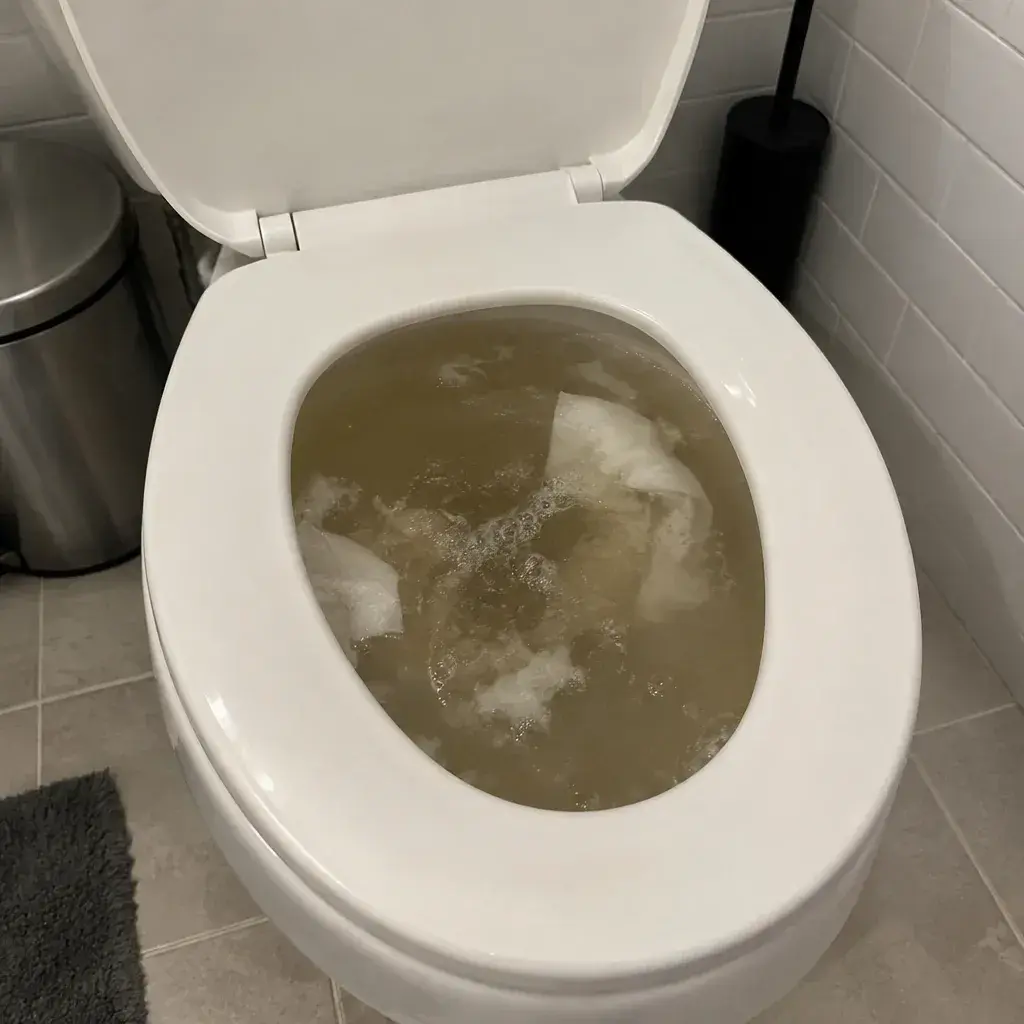
What a Material Assessment Can Determine
Minnesota’s intense rain and flooding can overwhelm stormwater or sewage systems and contribute to basement backups. Conditions differ across the state, and a regional weather pattern cannot establish what happened at one house. The address and entry route matter.
Minnesota coverage includes residential ZIP areas statewide. Frank Kolbinger Jr. Veterans Memorial Park, McColl Pond Environmental Learning Center, and Cuyuna Country State Recreation Area are state reference points; none indicates sewer service or backup risk at a particular address.
You can ask about a Minnesota property even when you are calling from elsewhere. The service map follows verified residential ZIP coverage, while the affected building’s address determines whether the pros we connect you with can discuss the request.
Where Cleanup Stops and Plumbing Starts
- Exposure
- Flooding and heavy precipitation can overwhelm Minnesota sewer or stormwater systems and contribute to backups.
- Spread Control
- A drain or fixture can be an entry point for sewage, but it does not establish the source of the backup.
- Salvage Limits
- Sewage can spread beyond the drain where it first surfaced.
- Residual Moisture
- Disinfection addresses surfaces after sewage and debris are removed.
- Source Check
- Sewer backup coverage varies by policy; check the terms with your insurer before assuming damage is covered.
- Backup Cause
- Minnesota’s cold winters can leave snow to melt in spring, while intense rain and flooding can strain stormwater and sewage systems. Either condition may contribute to a backup; season and timing alone do not identify what caused one at your home.
- SURFACE CLEANING
- an estimated $2,700–$6,800
Floodwater and Sewer Backups Differ
Surface floodwater enters from outdoors and may leave mud or debris; sewage backup rises through an indoor plumbing opening. Both can follow heavy rain, so the appearance of a wet floor alone cannot tell you which cleanup assessment is needed. Look at where water first entered. Water crossing an exterior door or wall opening may be surface flooding; water rising from an indoor drain may be sewage backup. Appearance alone cannot confirm contamination, so keep clear until the source and affected area are assessed.
Cleaning Surfaces Before Drying
The pros we connect you with first map the wet footprint after water recedes, including low points and adjoining rooms, and note which materials were contacted. They separate affected space, remove wastewater and contaminated contents, then clean, disinfect, and dry the structure. In Minnesota, the party investigating the sewer or drainage network checks system conditions separately; cleanup does not locate or repair a failed line.
After cleaning, the pros we connect you with assess which structural materials remain damp and direct drying to those areas. Moisture readings can help track whether drying is progressing. A separate sewer investigation can proceed while indoor cleanup is underway.
In Minnesota, first confirm the sewage flow has stopped. If the affected area is reachable and surfaces can be cleaned, disinfected, and dried without further work, one visit may finish the cleanup. Widespread contamination or damp building materials can mean a longer plan; line diagnosis and repair are plumbing work.
CLEANUP MILESTONES THAT INFORM THE NEXT REPAIR DECISIONS
| Moisture Removal |
Keep People Clear |
|---|
| Sewage reached hard flooring; soft goods stayed clear | Moisture drying |
| Contaminants emerging from treated materials | Odor treatment |
| Absorbent goods and hard finishes need attention | Discard sewage-soiled contents; wash, disinfect, dry |
Assess Materials Before Moving Them
Do not try to clear a sewage backup with household cleaning products. From a dry location, record where water appeared and take photos if safe. Avoid using fixtures that may be connected to the backup. Leave sewage removal, disinfection, and material decisions to an assessment.
Safe Practices During Remediation
Sewage can carry germs and other contaminants that reach you through splashes, wet floors, or soiled belongings. Keep children and pets away, and do not walk through or handle affected materials. If sewage may have reached living areas, stop at the dry boundary and arrange an assessment. Contamination can persist on surfaces after visible water is gone.
How Does Access Affect the Estimate?
Ask whether the cleanup includes removing materials that cannot be safely cleaned; leaving contaminated items in place can affect the finished work.Cleanup handles materials and surfaces differently: materials that cannot be cleaned are removed, while the remaining surfaces receive disinfection and drying. Plumbing diagnosis or repair sits outside that cleanup scope. Near Rum River Central Regional Park or Walnut Street Historic District, ask the pros we connect you with to confirm any visit fee and the exact tasks directly.Open pricing guide for complete Sewer Backup Cleanup ranges and the factors that shape scope.