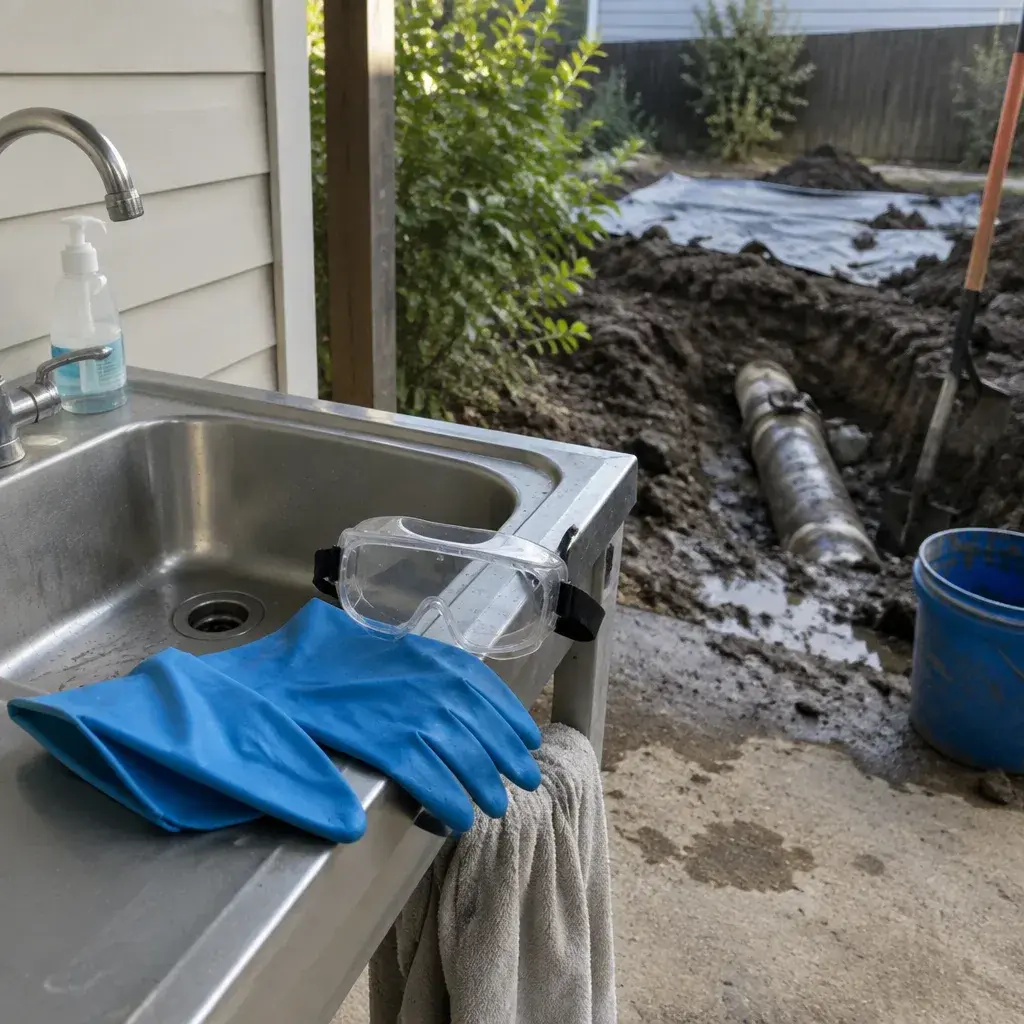
Basement Sewage Cleanup
The pros we connect you with contain sewage, remove affected materials, and dry basement rooms.
View Basement Sewage Cleanup help in Minnesota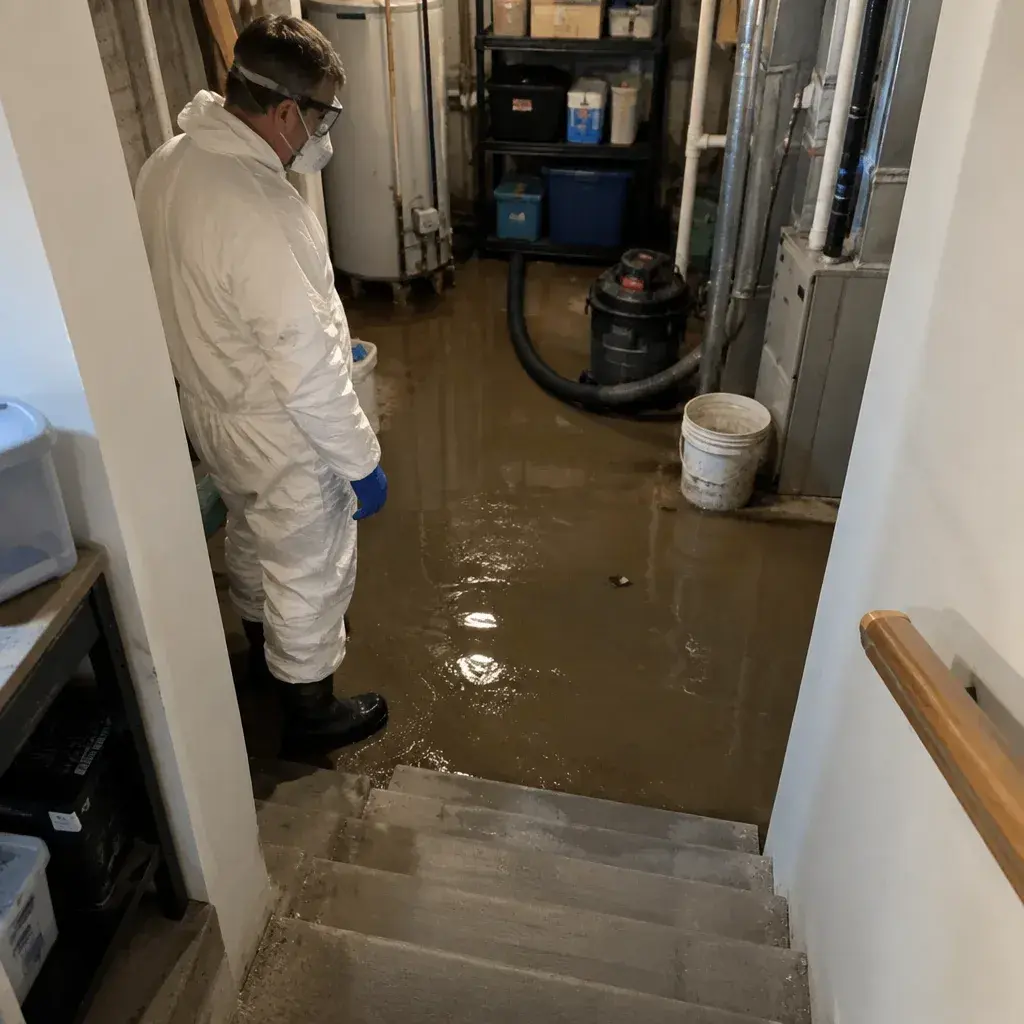
In Minnesota, do not step into wastewater or let children or pets enter the affected area; sewage may carry harmful germs. From a ranch to a split-level, a wet floor, stained lower wall, or sewer odor can help you describe what you see without touching it. When requesting an assessment, tell the pros we connect you with which fixture overflowed, whether the flow stopped, and what rooms seem involved so they can plan a safe inspection.
Across Minnesota, sewage can pass from a floor into carpet, stored belongings, and the lower edge of a wall; the smell may persist after standing water is gone. Stay out of affected rooms and keep pets clear, since wet debris can carry harmful germs. The pros we connect you with determine which absorbent items must leave, wash and disinfect salvageable surfaces, address odor, and dry damp building materials. Removing wet belongings does not finish cleanup; damp building materials still need attention.
A drain may leave a narrow dirty track as wastewater recedes, especially where the floor slopes toward a low point. In Minnesota, rain-related backups can leave grit or a distinct water line beyond the pooled area, so note the full path without entering it. The pros we connect you with can use those signs to plan where containment begins and which surfaces need attention. Keep pets and household members away while the basement is assessed.
Basement Sewage Cleanup →Do not crawl under the house to check a suspected backup. From a safe position, note whether the ground at the access opening looks newly disturbed or carries a track of dirty water; that can prompt a professional assessment without exposing you to sewage. In Minnesota, a crawl space may have little room to turn or carry equipment, so an apparent route into the area does not make it safe to enter. Keep children and pets away while you arrange cleanup.
Crawl Space Sewage Cleanup →Tile may look intact while grout joints or the layer beneath it have taken in contaminated water. If flooring feels spongy, edges lift, or a seam darkens after a toilet overflow, tell the assessor which spots were wet and how far the water moved. A musty smell or discoloration may appear after surface water is gone, so mention any changes you notice later. A cleanup provider can check accessible layers and explain whether removal, cleaning, disinfection, or drying is appropriate.
Toilet Overflow Sewage Cleanup →A floor drain may release sewage during heavy rain or spring melt, when precipitation and runoff can strain sewer and stormwater systems. That timing is useful to report, but it does not prove the source of a particular backup or confirm that your home connects to a public sewer. In Minnesota, properties can have different sewer arrangements. Note whether water spread from the drain onto flooring or nearby belongings, since that helps describe the affected area.
Floor Drain Sewage Cleanup →A cleanup plan begins with the rooms and materials wastewater reached, not just the visible pool. The pros we connect you with can assess the entry point, separate affected areas where practical, and explain which contents or building materials may need removal. Suitable remaining surfaces are cleaned and treated, then drying is arranged and monitored according to the structure and moisture found. Tell them about damp areas that persist or change. Keep people and pets away from sewage-affected spaces until they have been assessed and the next steps are clear.
Call (612) 493-4857 or use the online form. Tell the pros we connect you with where wastewater appeared and what it reached. Make clear whether people and pets can stay out of the area, then verify the proposed tasks, schedule, and visit charges with them.
Ask whether the backup source has been stopped before cleanup begins.
Ask what will keep sewage and debris within the affected space during cleanup, and which safety measures the written plan names.
Ask which contents can be cleaned and which may need to be discarded. Review the written scope and warranty terms with the pros we connect you with.
Do not enter contaminated rooms to inspect them yourself; sewage can carry harmful germs. In Minnesota, an assessment traces where the backup traveled and checks what it reached: flooring, wall edges, contents, and other building materials. Moisture readings can show how far water has spread beyond the visible damage. The pros we connect you with use those findings to define the work and separate affected space from clean rooms. Tell them whether the backup has stopped. Which materials can stay, and how will drying be checked?
Tell the pros we connect you with which spaces are involved and how soon you need help. Ask about their current schedule, expected timing, and cleanup charges.
Before work starts, ask for a written account of what the visit includes, the planned cleanup, and any charges.
Ask how the assessment will look beyond visible damage and how its findings will appear in the cleanup plan.
Ask how they will check whether moisture remains behind walls or beneath flooring.
Visible water may drain away while sewage residue remains on porous surfaces. In Minnesota, carpet and wallboard can absorb contamination while water remains, so the cleanup boundary may widen within hours.
Minnesota’s heavy rain and seasonal melt can strain sewer systems. If a backup continues, water can reach padding, trim, and the base of walls before the source is corrected. Near Clifton E.
Across Minnesota, the cleanup plan follows the contamination found in the structure rather than a preset room list. Containment separates affected space from cleaner areas during sewage extraction; the assessment then determines whether porous belongings and building materials can be cleaned or need removal, since contamination may remain below a visible surface. After removal, the pros we connect you with wash exposed surfaces and apply disinfectant, address odor, and dry damp structural materials. The findings shape the work in each home.
The pros we connect you with contain sewage, remove affected materials, and dry basement rooms.
View Basement Sewage Cleanup help in Minnesota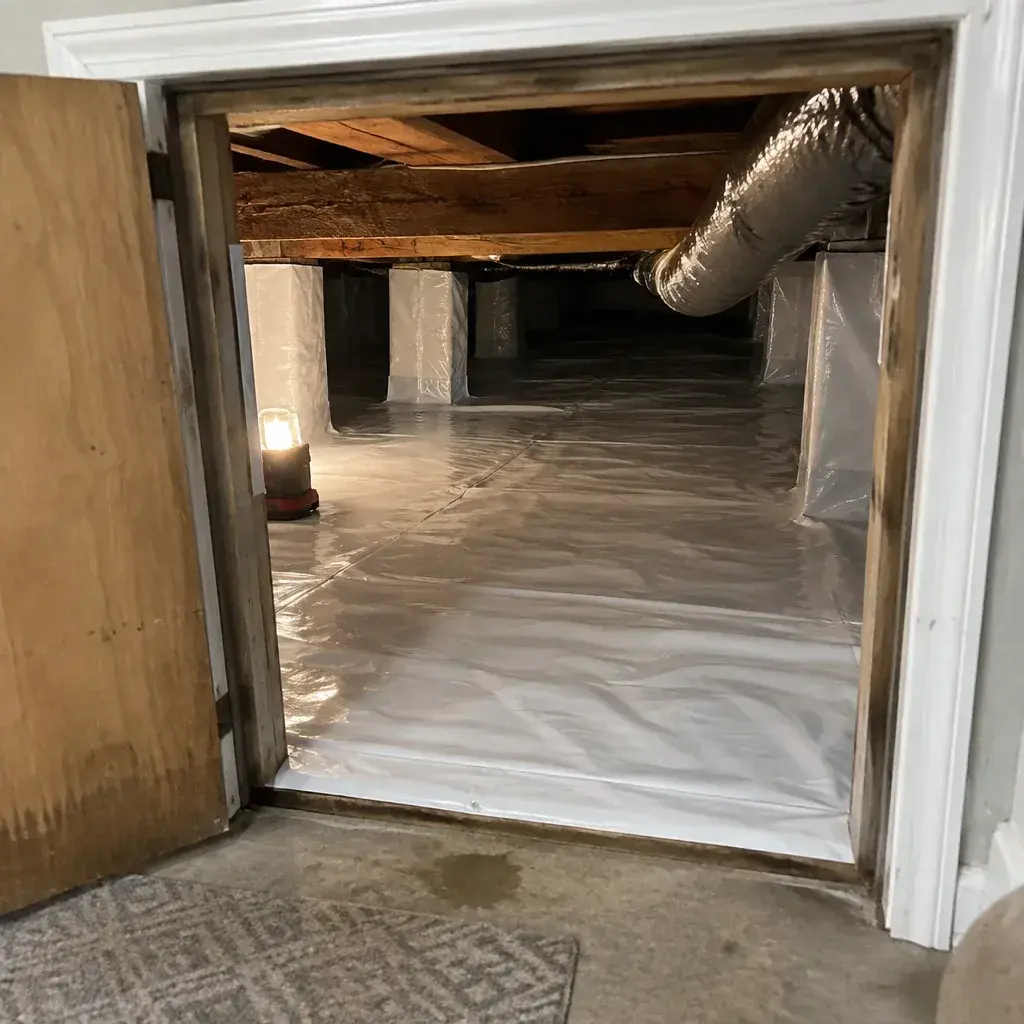
Keep out while sewage is removed, the space cleaned, and materials dried.
View Crawl Space Sewage Cleanup help in Minnesota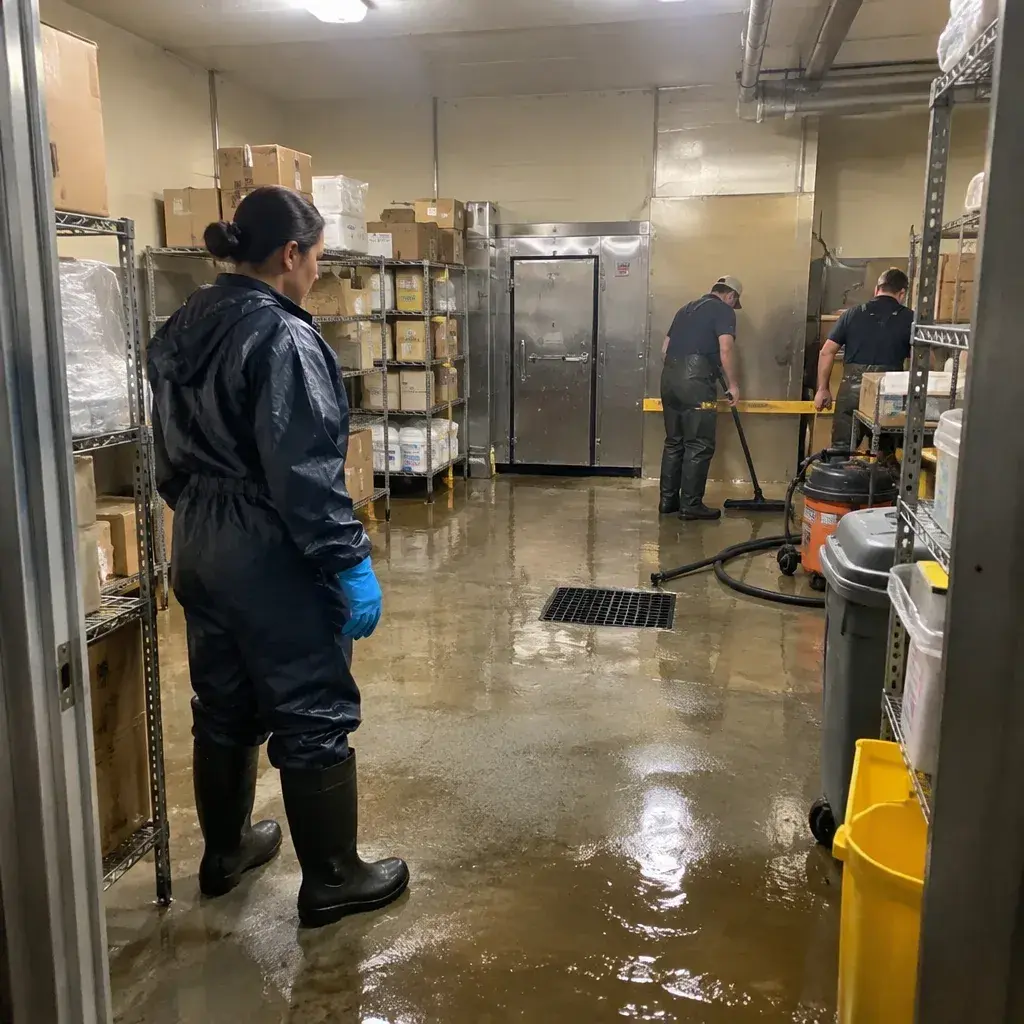
Find cleanup help for contaminated water, damaged materials, and wet structure.
View Toilet Overflow Sewage Cleanup help in Minnesota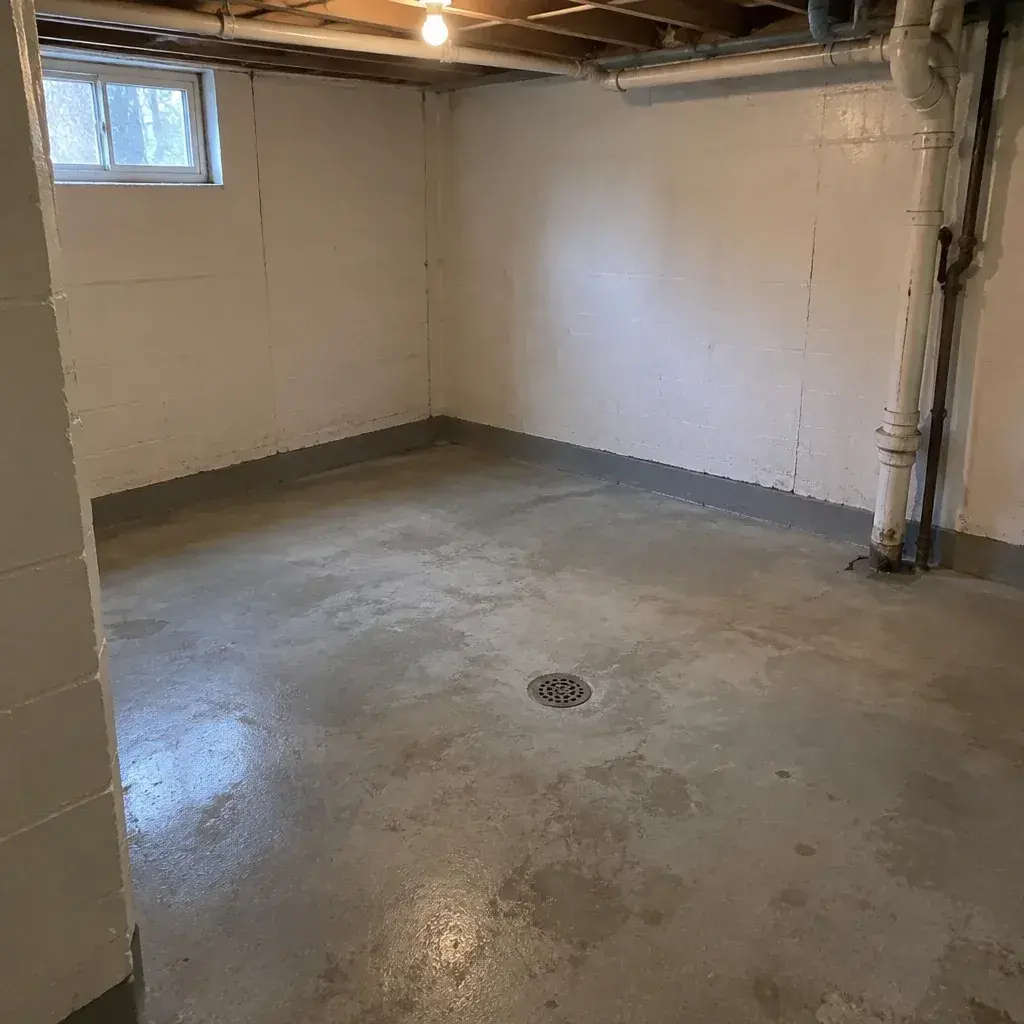
Minnesota floor-drain cleanup guidance spans Nerstrand Big Woods, Cuyuna Country State Recreation Area, Maple Grove Government…
View Floor Drain Sewage Cleanup help in MinnesotaWhat backup signs mean, how cleanup works, and practical guidance for Minnesota homeowners.
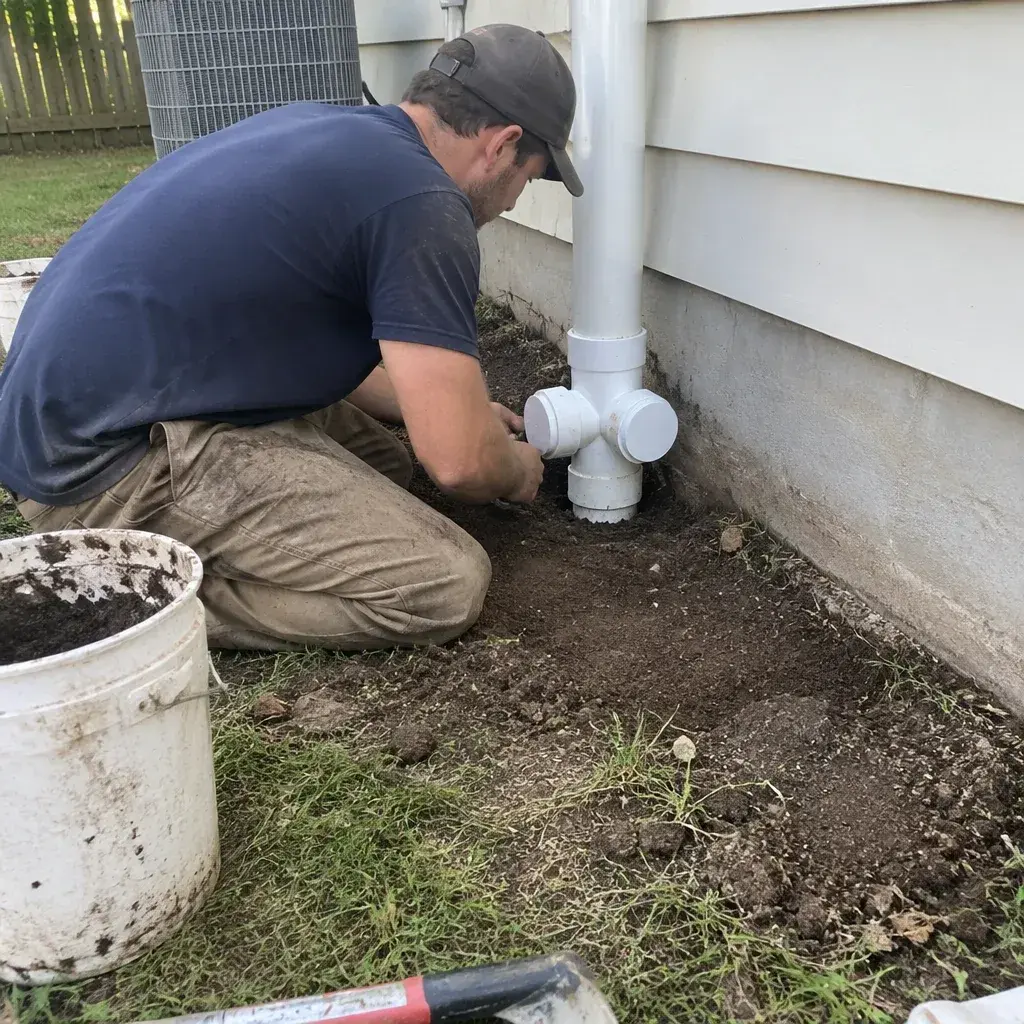
Across Minnesota, reentry depends on the condition of each space and any plumbing work still outstanding. Use this guide to prepare questions before resuming normal use.
Read article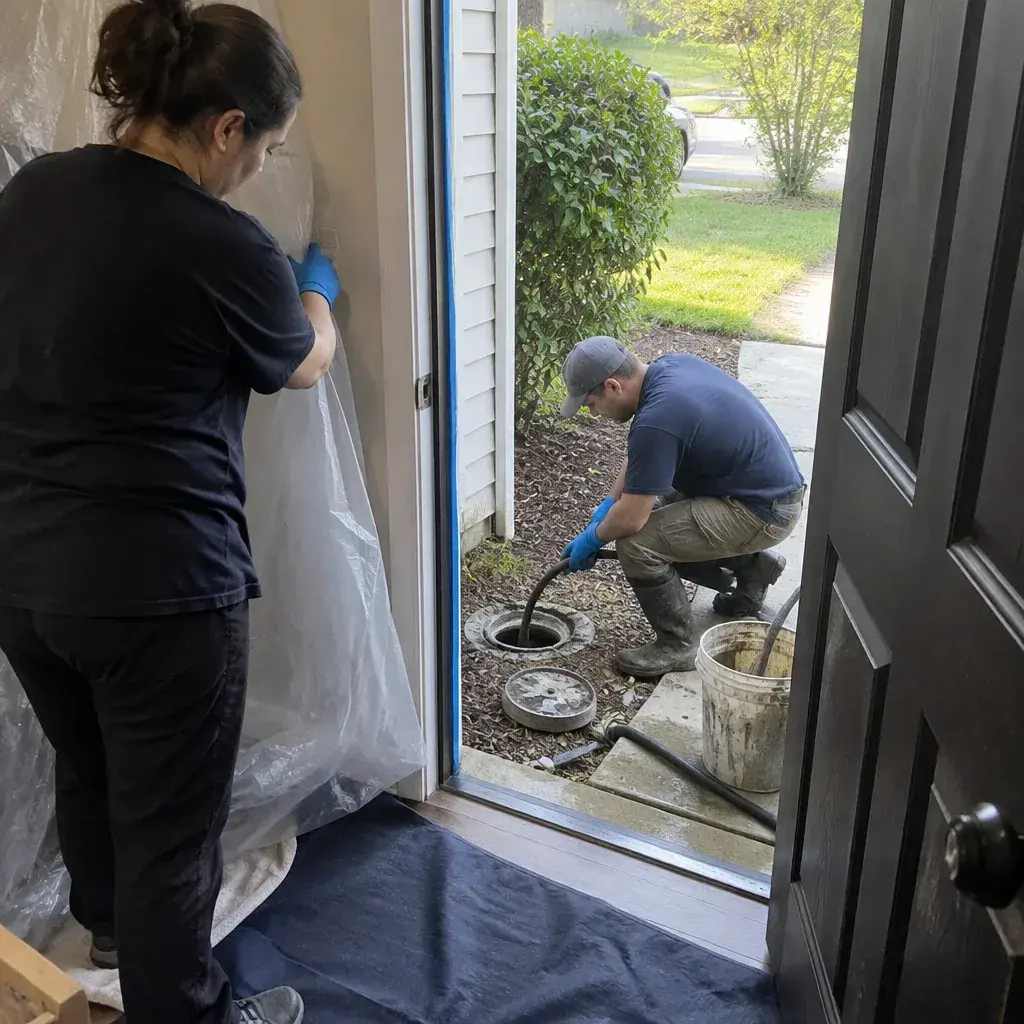
Contaminated materials can leave residue behind even after visible sewage has been removed. This Minnesota guide explains why a clean room alone may not settle whether you should remain in the house during cleanup.
Read article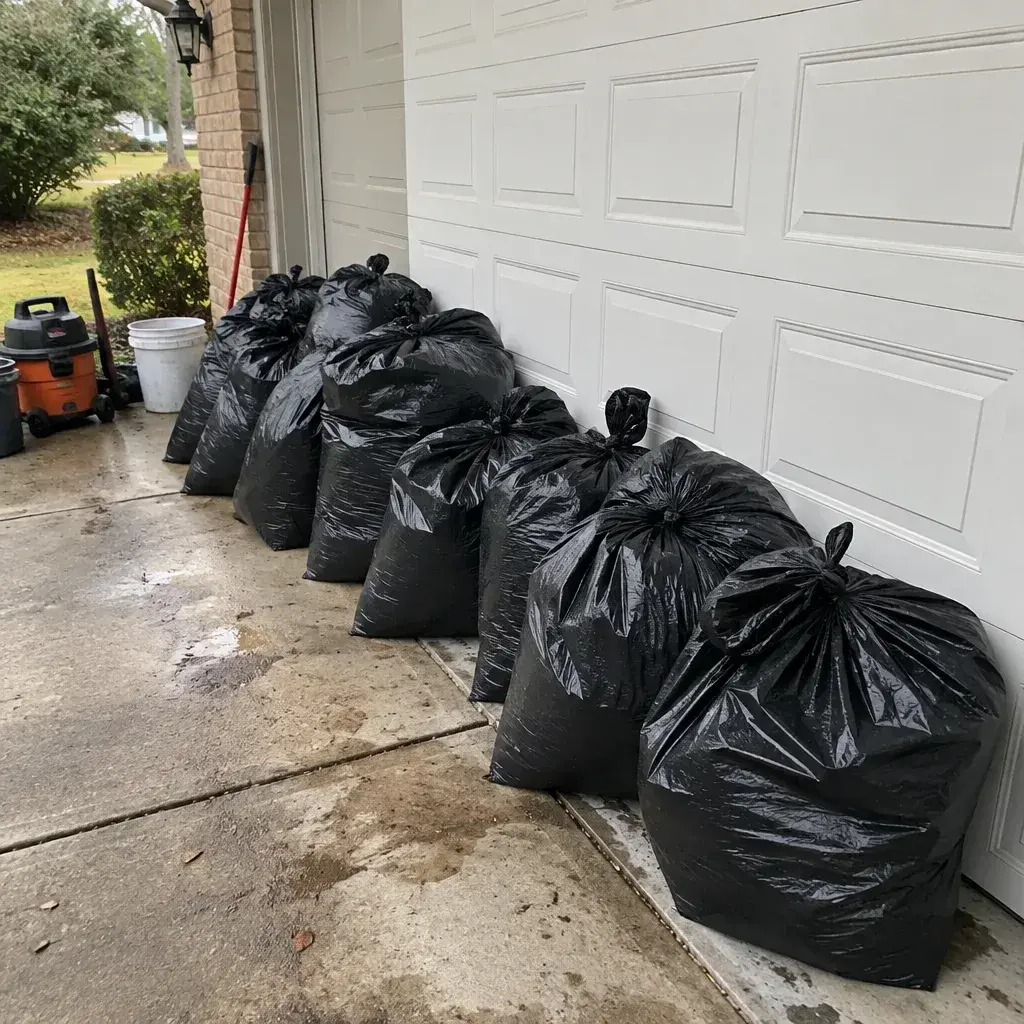
Learn how to describe the affected area, what can affect scheduling, and how to stay safe until cleanup begins. Learn what to report, what can shape scheduling, and what to confirm while waiting.
Read articleIn Minnesota, sewage in a ranch, split-level, or business space is a reason to stop entry and keep people and pets away. Contamination may remain after the visible sewage is gone, so the affected area can extend beyond standing water.
Minnesota homes near Sunrise Prairie Regional Trail deserve a clear scope: ask the pros we connect you with which materials may have to go, what cleaning and disinfection involve, and how drying will be checked. Ask how belongings that can remain will be protected during surface cleaning.
Minnesota's service span is from Adams and Adrian to Afton and Akeley; Sewer Backup Cleanup is offered across the named communities. Saint Bonifacius Memorial Park and Sunrise Prairie Regional Trail are state reference points, while a home's sewer or septic arrangement must be checked by address.
Ask the pros we connect you with if Sewer Backup Cleanup is available at your specific address.
A backup can leave residue on nearby surfaces even where standing water is no longer visible. In Minnesota, the pros we connect you with can review how far contamination reached and define interior cleanup as separate work: sewage removal, isolation of work areas, discarding unsalvageable materials, cleaning, disinfection, odor treatment, and drying. A line correction belongs to plumbing work, while cleanup planning follows an inspection of affected rooms and materials. From Nerstrand Big Woods State Park to Cuyuna Country State Recreation Area and Crow River Environmental Park, tell the assessor which fixtures overflowed and what areas were reached.
In Adams, access planning starts with the actual home layout, usable entrance, and a safe path for equipment.
Sewer Backup Cleanup in AdamsAdrian's verified residential ZIP is 56110; a street address is still needed to check property details and cleanup needs.
Sewer Backup Cleanup in AdrianAfton’s historic village and rural residential areas make access and property management approval useful to clarify before cleanup begins.
Sewer Backup Cleanup in AftonAkeley lists city water and sewer maintenance, but an address check is still needed to establish a home’s sewer connection.
Sewer Backup Cleanup in Akeley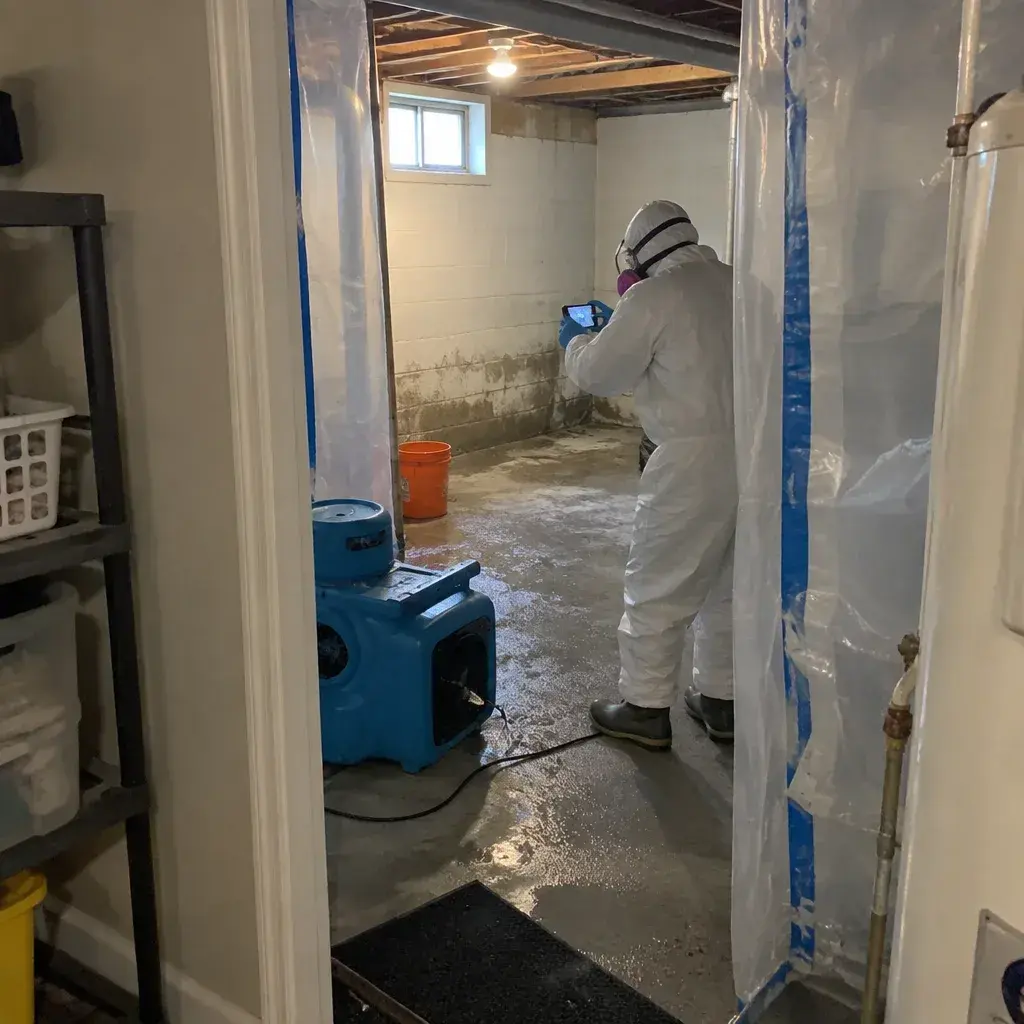
Sewage can leave contamination in porous materials, so the assessment should note whether carpeting, drywall, or insulation was exposed as well as visible residue. Ask the pros we connect you with to explain the order of work, from barriers and extraction to removal, disinfection, odor treatment, and drying. Have the written scope name affected areas and the planned work in each. Take photos and keep notes on damaged contents and cleanup steps; those records can help document a claim, though the insurer decides coverage.
Select a guide based on the cleanup question you need to resolve before work is arranged.
Learn how area separation, sewage removal, surface cleaning, disinfection, and drying fit into cleanup.
The residential guide covers staying clear, deciding what may need removal, and what to ask before cleanup gets underway.
Have unfamiliar words explained when they appear in the assessment, work list, or instructions for drying the structure.
List the rooms, surfaces, contents, smells, and damp spots touched by sewage so you can discuss next steps.
Stop using the affected rooms and keep children and pets away. Don’t walk through sewage or handle contaminated items. Across Minnesota, whether you’re in a ranch near the Walnut Street Historic District or a split-level near Clifton E. French Regional Park, the safe first step is to keep clear and contact the pros we connect you with for an assessment.
In Minnesota, ask before scheduling whether an assessment or written estimate has a charge, what the visit covers, and which proposed tasks are included; fees vary. The estimate should connect its scope to what the assessor finds, such as affected contents or building materials that need drying. Keeping the written estimate with your records gives you a reference if the proposed work changes after the visit.
Call a plumber if the blockage or cause has not been identified, or the line may need repair. Ask that the line findings and damage inside the home be documented separately. In Minnesota, a backup alone does not establish who caused it or who is responsible, so have the line assessed and ask the pros we connect you with about the affected rooms.
Removal depends on where sewage traveled and whether it soaked into materials. Ask whether drying is needed after the affected surfaces have been cleaned. In Minnesota homes, a ranch or split-level can have different layers beneath the visible floor, so ask the assessor to identify what was reached and why each material needs removal, cleaning, or drying.
Yes. Photos of affected areas, notes about damaged materials, and records of cleanup steps can help you document the loss. Keep copies and ask your insurer what information it needs. Check the policy for any sewer backup endorsement and its terms.
Ask how the proposed tasks relate to the materials identified during assessment. Ask what the assessment found and which tasks the estimate includes. For a Minnesota home near Menahga Area Historical Museum or elsewhere in a listed service ZIP, clarify how newly discovered affected materials could change the proposed work.
Ask which belongings, if any, should be moved before the affected rooms are contained. Ask how the work area and access path will be managed. This matters in Minnesota homes with connected rooms or narrow routes, where carrying wet debris through an otherwise unaffected space could spread contamination.
Odor can persist if sewage residue or contaminated material remains in an affected surface or item. Removing the source, cleaning and disinfecting surfaces, and treating odor address different parts of the problem. In Minnesota, ask the pros we connect you with what affected areas were included in the cleanup and whether any materials still need attention.
Ask how the drying plan accounts for each affected building material. Drying helps reduce that remaining moisture. Ask which parts of the structure need drying and what work is included; in Minnesota, the affected materials and how far contamination traveled guide the plan.
Sewer backup cleanup is $2,700–$6,800 for this work. Contamination can extend beyond the spots where sewage is visibly present.
Check whether the pros we connect you with serve your Minnesota address, then make a room-by-room record of affected finishes and belongings before anything is moved. In a ranch or split-level, include lower rooms and storage areas if sewage reached them; the visible room may not show the full extent. Keep residents and pets outside the affected area. Ask for photos, notes, and a written work outline showing what will be discarded, treated, and dried. A plumber traces or repairs a blockage; cleanup addresses contamination inside the home.
Call (612) 493-4857