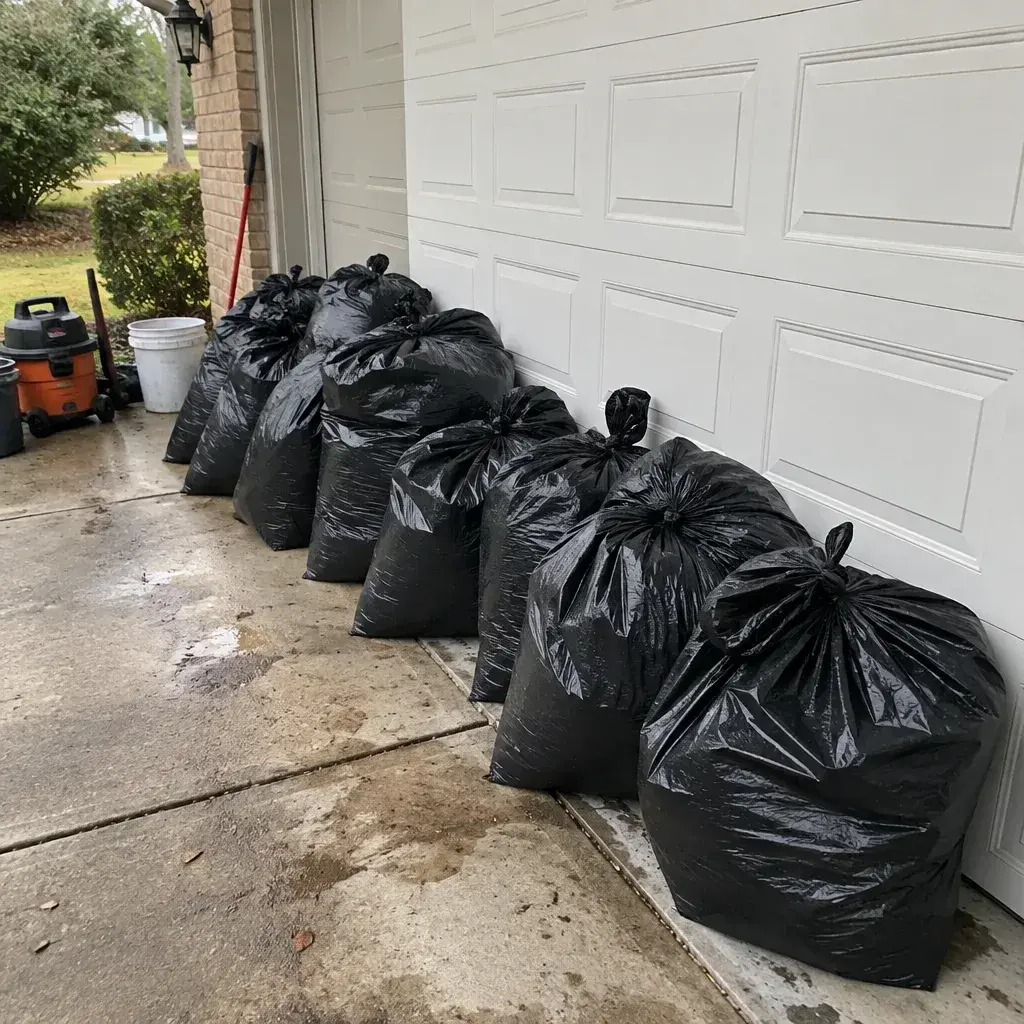
Response Time
Learn how to describe the affected area, what can affect scheduling, and how to stay safe until cleanup begins. Learn what to report, what can shape scheduling, and what to confirm while waiting.
Read article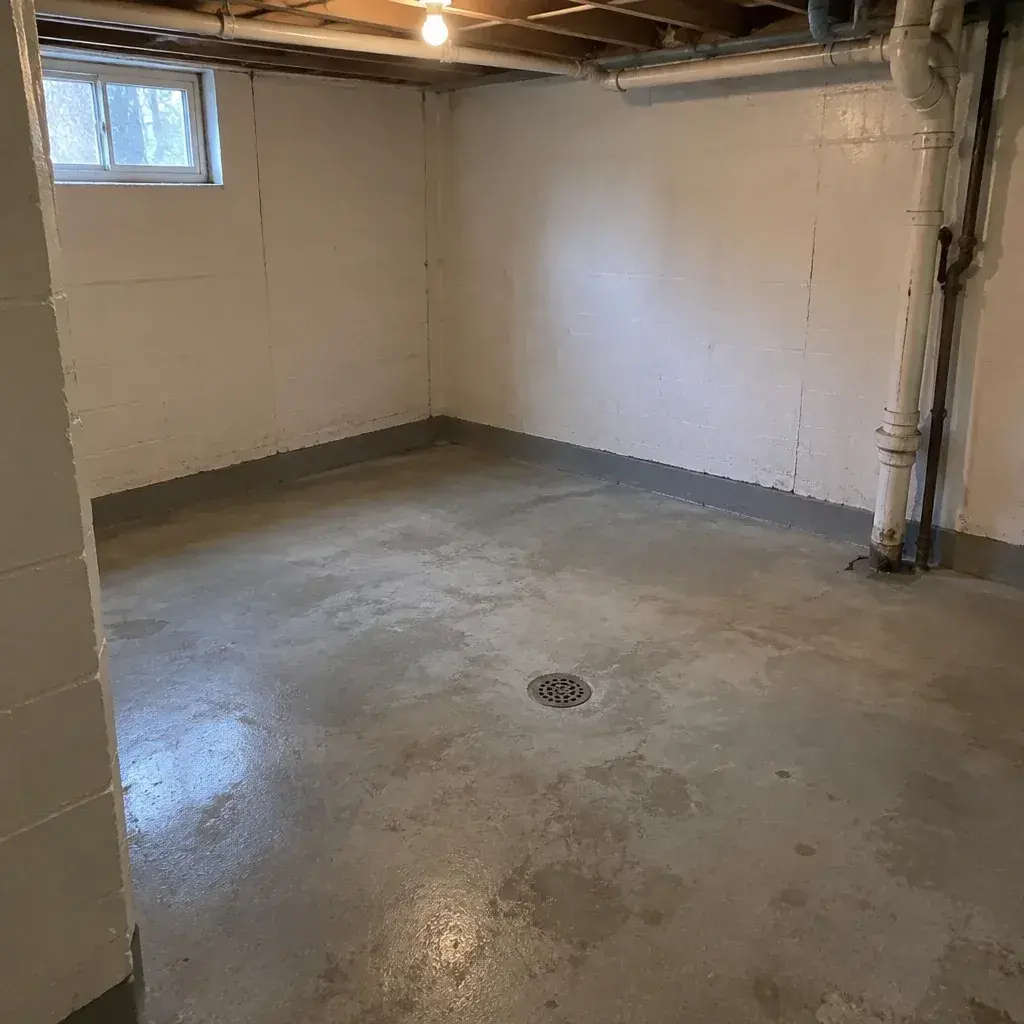
Minnesota floor-drain cleanup guidance spans Nerstrand Big Woods, Cuyuna Country State Recreation Area, Maple Grove Government Center.
Keep clear of sewage from a floor drain; do not touch wet belongings or finishes. In Minnesota, intense rain or rapid snowmelt can contribute to sewer backups, though weather alone does not establish what caused one at your home. A ranch may have a utility room beside living space, while a split-level may have several floor heights for wastewater to cross. The pros we connect you with can contain the affected area and assess where contamination reached before cleanup begins.
The assessment also identifies which contents may be cleaned and which porous items cannot be safely restored. A provider can assess access to the affected rooms, remove contaminated water and materials, clean and disinfect surfaces that remain, treat odor, then dry damp building materials. In Minnesota, winter conditions and seasonal thaw can affect access around a property, while the indoor drying time depends on the materials and affected area. Ask how the assessment informs the scope and cost.
Across Minnesota, ranch and split-level layouts can leave sewage affecting different rooms or materials. Floor Drain Sewage Cleanup scopes removal, disinfection, and drying to the contamination found; Adrian, Afton and Akeley indicate coverage, not uniform homes.
Homeowners can find household cleanup guidance at Sewer Backup Cleanup; if you manage a shop, office, or rented unit, consult commercial sewer backup cleanup.
A floor drain may release sewage during heavy rain or spring melt, when precipitation and runoff can strain sewer and stormwater systems. That timing is useful to report, but it does not prove the source of a particular backup or confirm that your home connects to a public sewer. In Minnesota, properties can have different sewer arrangements. Note whether water spread from the drain onto flooring or nearby belongings, since that helps describe the affected area.
Wastewater can travel from the drain room into adjoining areas, especially if the floor slopes toward a doorway or there is no threshold to slow it. Check from a clean, dry location for wet flooring or affected items in nearby rooms; do not walk through the spill to inspect. A home near Columbia Heights Public Library and a home elsewhere in Minnesota need the same careful assessment of the actual boundary, rather than assumptions based on the neighborhood or ZIP code.
Stored cardboard, rugs, and other absorbent belongings can take in sewage even when their outer surfaces look only slightly damp. Affected trim or flooring may also hold contamination below the visible waterline. Make a note of which items sat on the floor and which materials contacted the backup, then share that list during the assessment. Whether an item can remain depends on its material and how far contamination entered it.
The provider checks the floor drain, adjoining rooms, and contents to set a boundary for containment and keep the cleanup plan tied to the contamination found.
Surfaces that remain are cleaned and disinfected after contaminated water and materials have been removed.
Unsuitable porous materials are removed; surfaces that remain are cleaned and disinfected so residue is addressed before structural drying.
The provider treats persistent odor where needed and monitors moisture in damp building materials as drying proceeds.
Sewage from a floor drain can get beneath stored belongings and into seams where flooring meets walls. In a ranch, a utility area may open directly to finished rooms; in a split-level, a lower floor can sit below several living spaces. The water you see may not show how far contamination traveled. Containment, material assessment, cleaning, and drying help address the affected structure without assuming every Minnesota home has the same layout or sewer connection.
Minnesota Department of Health guidance recognizes sewage contamination as a hazard in flooded buildings. Keep children and pets away, and let the cleanup provider assess the work area and select appropriate cleaning and disinfection products. Items that cannot be safely restored should be kept apart from surfaces selected for cleaning and disinfection. If sewage is still entering the property, contact the appropriate utility or a plumber about the source while keeping the affected rooms clear.
Minnesota Commerce advises homeowners to check their policy and insurer about sewer-backup coverage; terms vary, and coverage should not be assumed. Photos of the drain area, affected rooms, and damaged belongings can help you keep a record of the loss and the cleanup. Save a dated list of materials removed and work completed, then ask your insurer what documentation it needs. A landmark such as Clifton E. French Regional Park does not determine a property's coverage or sewer connection.
Treat Floor Drain Sewage Cleanup figures for Minnesota as planning estimates; the pros we connect you with can disclose an assessment fee and itemize proposed cleanup work in writing.
| Structural Components | Material Decisions | Drying Conditions |
|---|---|---|
| Surface contact | Assess the affected area and note the work its condition calls for | an estimated $1,200–$3,000 |
| Single room | Agreed work may cover sewage removal, surface cleaning, disinfection, odor care, and structural drying | an estimated $1,380–$3,900 |
| Several rooms | Documented findings can extend the agreed cleanup area or include additional affected materials | an estimated $1,200–$3,000 |
| Across interior | Photos and notes can help track affected areas and explain the cleanup steps taken. | an estimated $2,880–$12,000 |
For covered residential ZIPs across Minnesota, including areas near Bend in the River Regional Park, drying needs can affect the cleanup scope after extraction and surface treatment. Rebuilding choices are separate. The full pricing guide describes cleanup factors; plumbing work to locate or fix the cause requires a plumber.
The provider first isolates the affected rooms and assesses the drain area, contents, and building materials. Standing contaminated water is removed, and porous items that cannot be safely restored may be taken out. The assessment also traces where wastewater traveled so the cleanup can include affected materials along its path. Tell the provider where you saw wastewater so the assessment can account for its path.
No. The decision depends on what sewage contacted and whether the material can be cleaned thoroughly. Some hard, nonporous surfaces may be retained after cleaning and disinfection; absorbent materials such as carpet, padding, or drywall may need removal if contamination entered them. Ask the provider to explain the condition of each affected item or surface before removal, and keep a record of what was discarded.
Stay out of the contaminated room and do not handle wet belongings. Avoid moving affected belongings into other rooms while the cleanup provider evaluates what may be restored. From a dry location, you can note which rooms and items were affected and tell the provider whether the backup is still occurring. If sewage continues to enter, a plumber or the relevant sewer provider may need to address the source; cleanup work does not clear a blockage or repair a line.
A persistent sewage smell can mean residue or an affected item remains, including in a spot that was not obvious during the first inspection. Ask the provider to revisit the drain surround, nearby contents, and materials that absorbed wastewater. Odor treatment can follow removal of contaminated items and cleaning of affected surfaces. Drying damp building materials follows cleaning and odor treatment as part of addressing the affected structure.
Drying begins once contaminated water and materials have been addressed and the remaining surfaces cleaned. The provider checks damp building materials and monitors moisture as they dry; enclosed or absorbent materials can take longer than exposed hard surfaces. The amount of affected structure and the materials involved shape the drying plan. Ask how the provider will determine when those materials are dry enough for the next repair work.
The assessment identifies which rooms and materials were affected and helps determine the cleanup work needed inside the home. It does not find or clear a sewer blockage, or repair a sewer line. If the backup continues or its cause needs investigation, contact a plumber; the responsible party for a line can depend on the property and local arrangements. In Minnesota, confirm your property's sewer setup rather than assuming a public connection.
For floor drain sewage cleanup, $1,200–$3,000 for this work. The cleanup footprint, sewage-exposed materials, and drying work shape the total; the pros we connect you with can set pricing after examining the damage.
In Minnesota, learn how an assessment guides choices for contaminated materials and affected surfaces.
Learn how to describe the affected area, what can affect scheduling, and how to stay safe until cleanup begins. Learn what to report, what can shape scheduling, and what to confirm while waiting.
Read article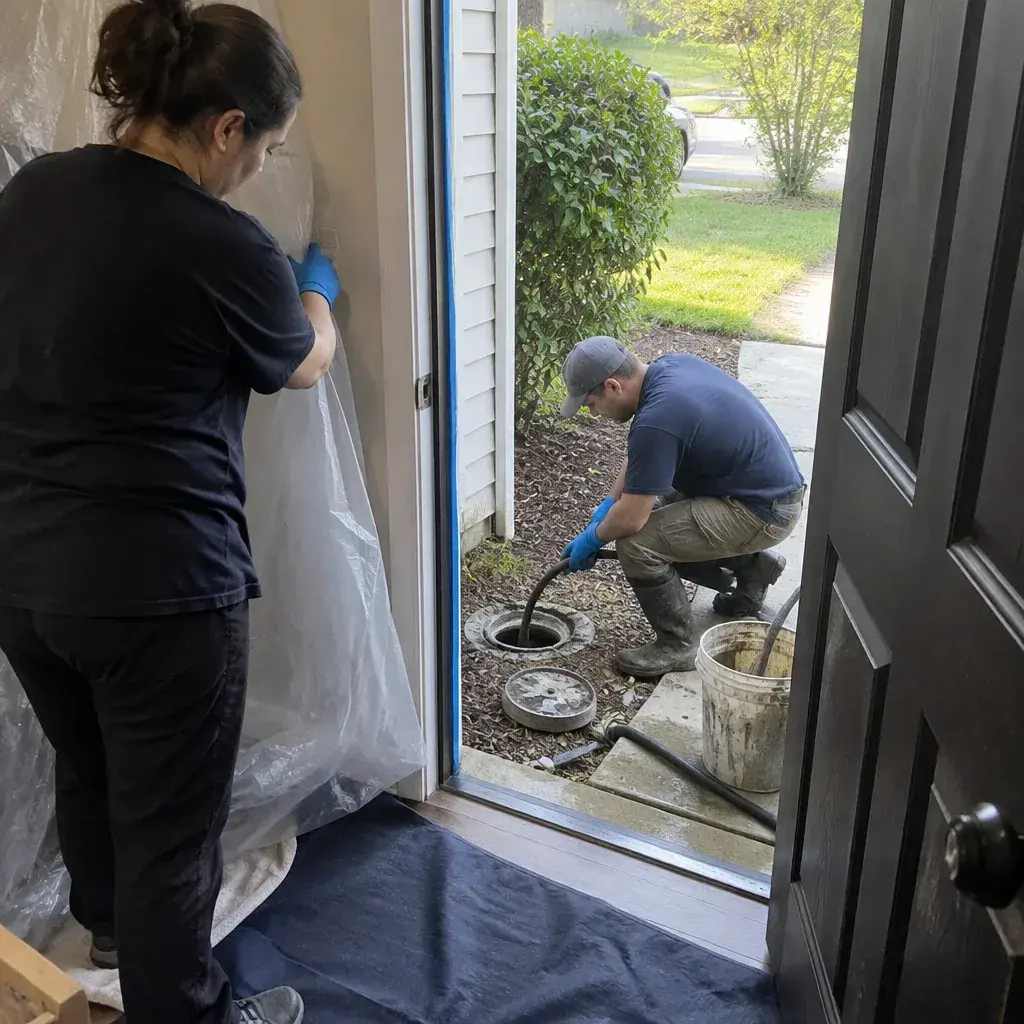
Contaminated materials can leave residue behind even after visible sewage has been removed. This Minnesota guide explains why a clean room alone may not settle whether you should remain in the house during cleanup.
Read article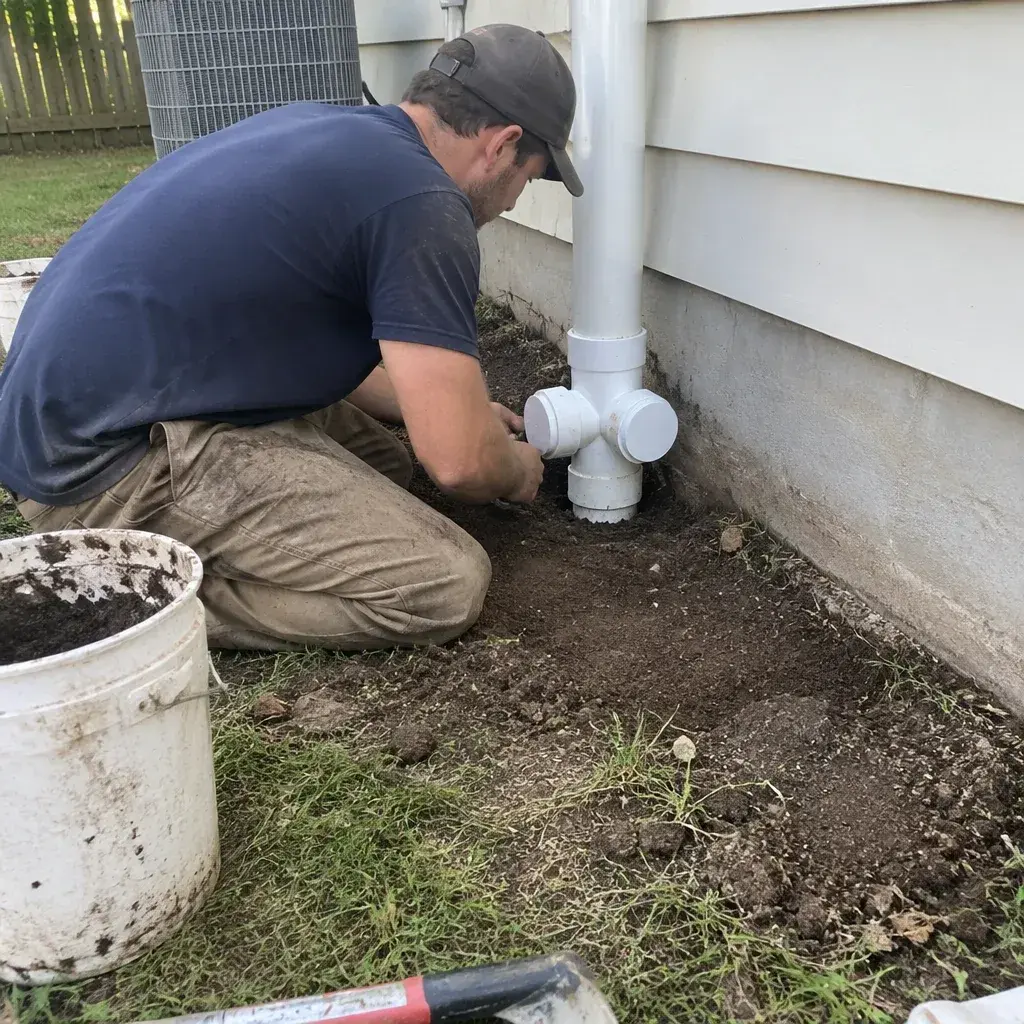
Across Minnesota, reentry depends on the condition of each space and any plumbing work still outstanding. Use this guide to prepare questions before resuming normal use.
Read articleAcross Minnesota, service-area questions start with the property address: ZIP coverage does not establish a sewer connection or confirm that a particular address can be served. An address check can clarify service availability, while the assessment determines the cleanup needs. Ask whether they can assess the property, how they will decide what to remove or treat, and what drying involves. Which work is written into the scope, and what would be arranged separately?
Call (612) 493-4857