Cleanup Steps
Sewer Backup Cleanup Steps for Minnesota
How will the plan address affected belongings separately from building materials?
TRADE DIVISION
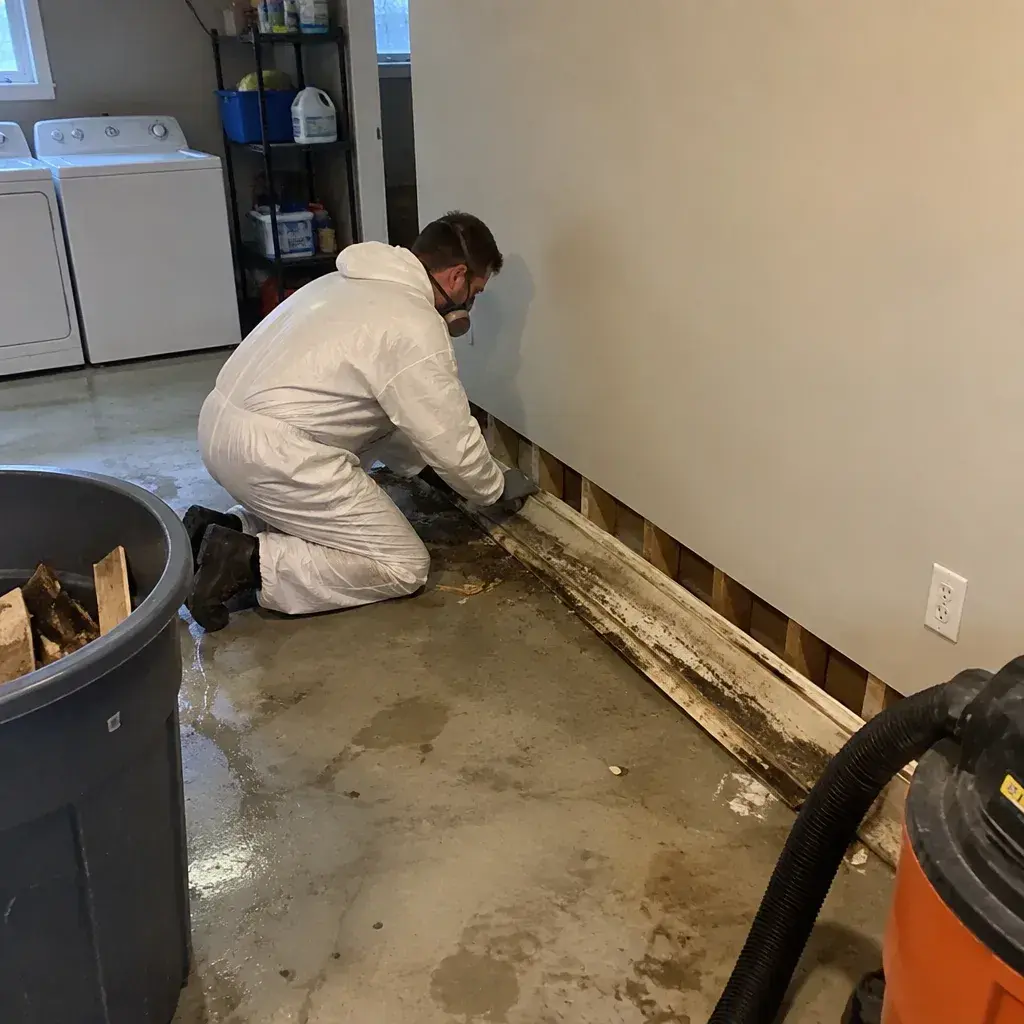
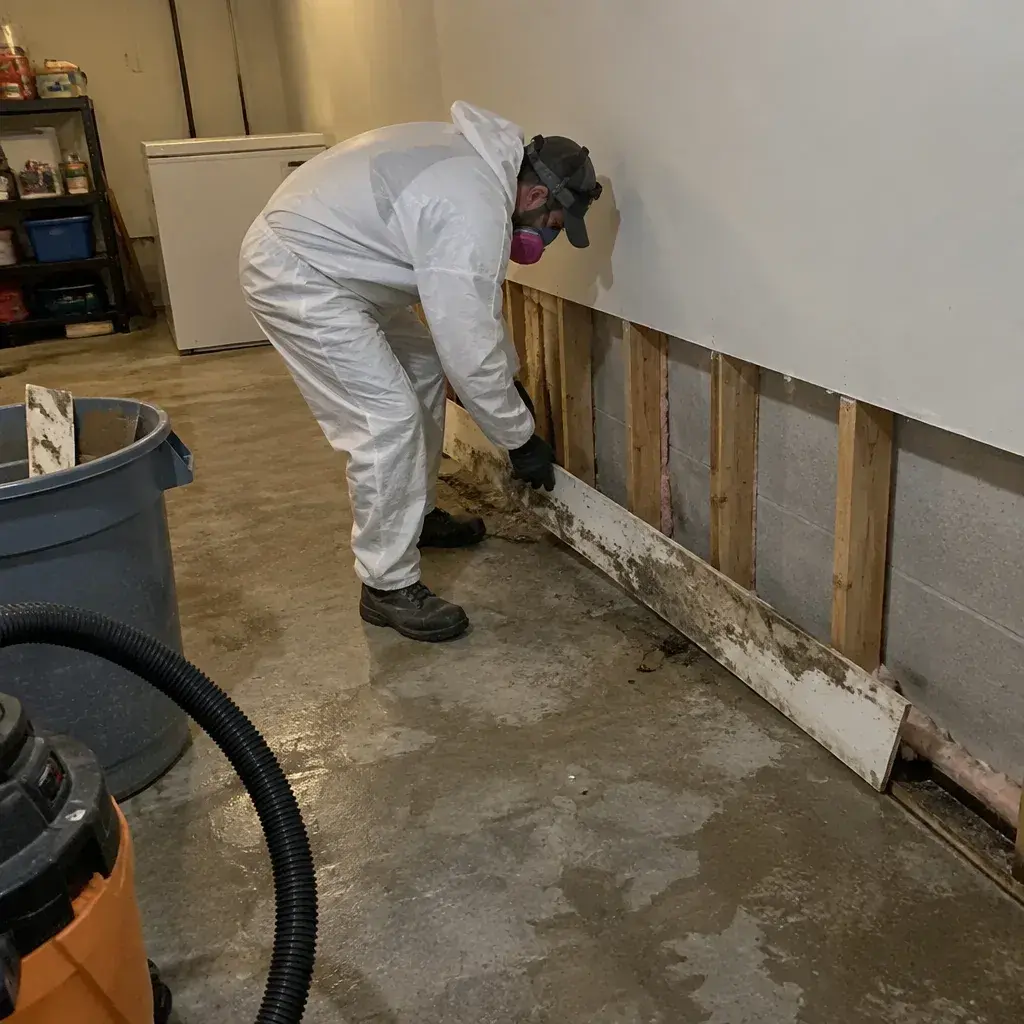
Containment separates affected rooms from clean spaces to help limit the spread of water and debris. Prompt extraction reduces the time sewage remains on surfaces and belongings. A plumber may separately diagnose or repair the sewer line.
Separate pages examine the cleanup work, the materials sewage can reach, damage that may linger, and the expected cost of treating and drying affected structures in Minnesota. Planning bands for cleanup jobs appear in the pricing guide.
Step by Step
Each Stage of Cleanup
Common Questions
Reader Questions
When does sewage exposure mean a material has to go?
Treat the affected room as off limits. Don’t step through it to retrieve belongings or carry wet items into a clean part of the house; moving contaminated contents can spread sewage beyond its original footprint. Wear disposable gloves before handling any item that may have contacted sewage. A plumber can check the blockage or line separately, since cleanup does not fix the source.
How do cleanup pros decide what can be cleaned and what is damaged?
The assessment looks at how far sewage traveled, which materials it reached, and their condition. A surface near Clifton E. French Regional Park, like any affected surface in Minnesota, may be suitable to keep if its condition allows effective cleaning. Materials that are too damaged or contaminated for that treatment may need removal. The review also identifies areas that need drying, so the cleanup plan follows what the backup affected.
What does disinfection address on surfaces?
Disinfection targets harmful germs that may remain on affected materials after sewage and soil are removed. It does not remove sewage, reverse damage within building materials, or clear a plumbing blockage; the assessment determines which materials can be treated. Across Minnesota, including homes near Columbia Heights Public Library, Clifton E. French Regional Park, and Bend in the River Regional Park, the treatment depends on the affected surfaces.
Why dry parts of the house after cleanup?
Removing sewage and cleaning surfaces do not show whether moisture remains inside affected building materials. Structural drying addresses that leftover moisture after the earlier cleanup work. In a Minnesota home, drying is part of the scope because damp materials remain part of the affected area even when surfaces have been cleaned and disinfected. Airflow helps carry moisture away from damp building materials.
Get Cleanup Help
Not sure which area was affected?
When calling, explain what the backup affected. Mention any standing water or visible residue and whether the source is still active.
Call (612) 493-4857