Retail Cleanup
Retail sewage cleanup
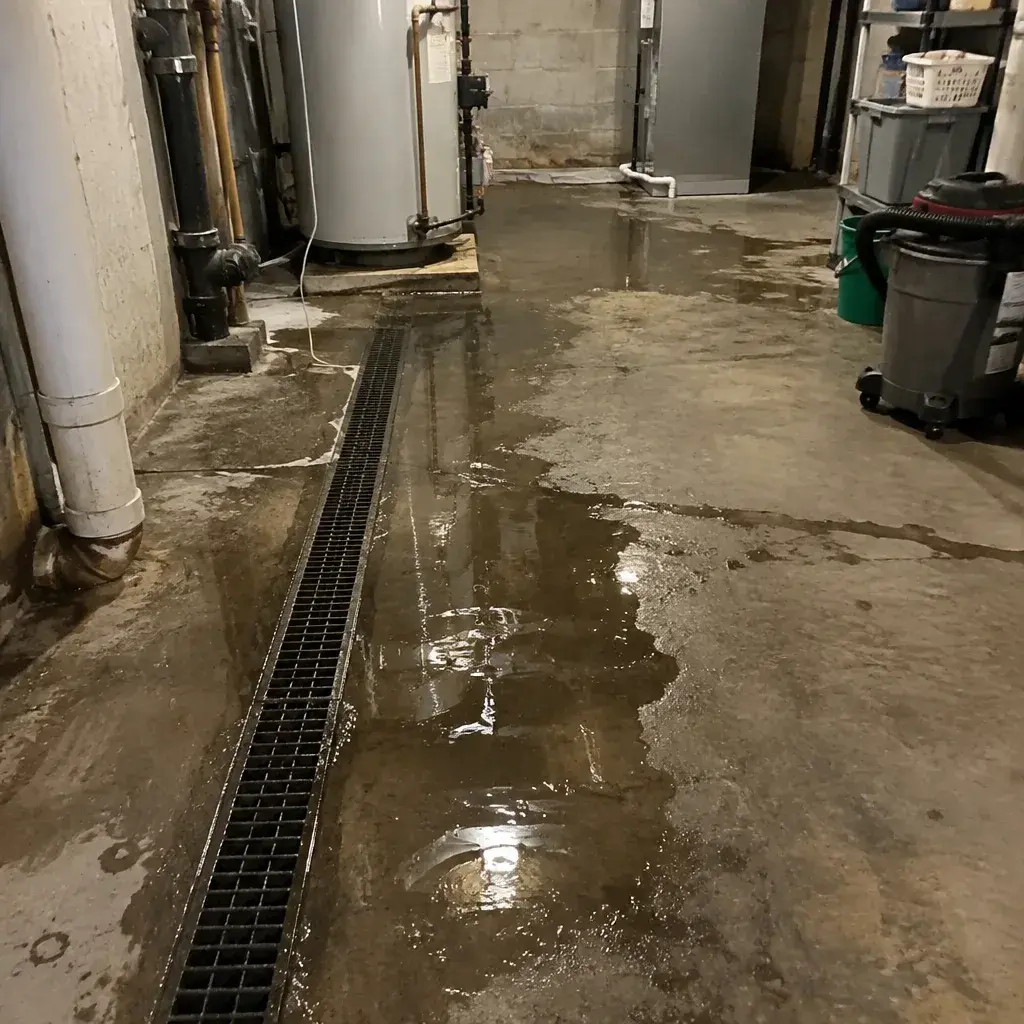
Plan Minnesota school sewage cleanup around room records, campus operations, and assessment decisions.
School sewer backup cleanup starts by restricting access and assessing each affected room, its contents, and building surfaces. The school can coordinate work around operations, keep room-level damage notes, and use assessment findings to plan cleaning, disinfection, and drying.
Keep students, staff, and visitors out of any area touched by sewage. For a Minnesota school, cleanup planning starts by recording which classrooms, restrooms, and shared spaces may be affected, then tracing how their closure changes the school day. A room list gives the pros we connect you with a useful starting point for assessment and helps facility decision-makers compare the physical impact with the activities that depend on each space. Keep observations factual; do not enter or handle contaminated areas to gather details.
For each affected space in Minnesota, note its room name, the time staff first observed the problem, and what was visible from a safe location. Record whether the concern involves a classroom backup, a restroom, or a common area, and identify nearby rooms that may need assessment. Separate what someone saw from what still needs professional review. That distinction gives administrators a clearer basis for decisions without treating an unverified odor, stain, or report as proof of how far contamination reached.
A school space has an operational role as well as walls and floors. In Minnesota, note whether a closure affects instruction, restroom access, meals, or movement between activities, then identify which functions can be moved and which need a different plan. A blocked corridor may change how people reach another room; a closed restroom can affect access across a larger area. This information helps the facility team weigh closures and alternate arrangements while the affected rooms are assessed.
Sewage can carry harmful contaminants, so keep people away from the affected area while its condition is assessed. In a Minnesota school, mark a clear boundary and tell staff which doors or routes are off limits. Containment separates the affected zone from spaces still in use and helps limit the movement of contaminated water or debris. Do not ask custodians, teachers, or students to move items from inside the boundary; leave that work for the cleanup professionals.
Choose a work period around the school’s actual access needs. In Minnesota, check when classrooms are empty, who can open the building, which entrance is available, and whether evening programs or deliveries use the same route. Give the cleanup professional those constraints before agreeing on a sequence of rooms. A schedule that accounts for access and building activity can reduce conflicts with instruction and custodial work while keeping people clear of the restricted area.
| School area | Activity | Record focus |
|---|---|---|
| Room inventory | Identify affected classrooms, restrooms, and common areas | Link each room to its school activities |
| Access controls | Mark restricted zones and usable routes | Record access limits affecting daily operations |
| Affected classrooms, restrooms, and school corridors | List affected items and their room locations | Support review before contents are moved |
| Building materials | Describe contacted flooring, walls, and finishes | Note materials for removal, cleaning, or drying |
| Work performed | Track extraction, material removal, cleaning, and disinfection | Connect cleanup actions to affected rooms |
| Moisture findings | Mark areas needing structural drying | Inform facility review of remaining moisture |
| Operations impact | Note closures, room changes, and program effects | Inform future plans for affected activities |
| Site references | Record building name and entrance used | Keep building and room labels consistent |
Assessment should account for contents as well as building materials. For a Minnesota campus, make a safe inventory of items visible from outside the restricted zone, such as books, classroom supplies, furnishings, or stored materials, and note their room locations. The cleanup professional can determine which items and surfaces were reached and whether they need removal, cleaning, or drying. A location-based inventory helps facility staff distinguish affected property from items elsewhere in the building without handling potentially contaminated belongings.
The amount of material affected and how difficult it is to reach can change commercial sewage cleanup cost. In a Minnesota school, the assessment may find that some hard surfaces can be cleaned, while absorbent flooring, furnishings, or lower wall materials need removal because contamination has entered them. Record the material type and room rather than guessing at what can be saved. These findings give decision-makers a clearer basis for comparing the scope of work across affected areas.
After sewage and debris are removed and suitable surfaces are cleaned, moisture in building materials still needs attention. In Minnesota, drying equipment may occupy part of a classroom or restrict access while floors or lower wall areas dry. Note which rooms contain equipment and what school activities depend on them, so staff can plan space use around the work. Drying reduces remaining moisture; the condition of each room informs when furnishings and normal activities can return.
School building cleanup follows the conditions found during assessment. In Minnesota, work may include containing the affected area, extracting sewage, removing materials that cannot be safely cleaned, then cleaning and disinfecting surfaces that remain. Product directions matter: disinfectants need the stated contact time and safety precautions to work as intended. A facility record can note which rooms and material categories are included in the planned work, giving administrators a practical view of how cleanup relates to school operations.
Odor can be a separate assessment clue after visible residue has been addressed. If a Minnesota classroom or shared space still smells, note the room, where the odor is strongest, and whether it changes when doors are open or nearby spaces are in use. Do not try to mask it or reenter a restricted zone to investigate. Specific observations can help the cleanup professional decide where further attention or odor treatment may be needed.
For claim review and future planning, facility records should connect the observed damage to specific rooms and materials. In Minnesota, dated photos taken from safe locations, staff observations, and an itemized list of affected contents can give decision-makers a consistent account to share with the insurer. Keep estimates and assumptions separate from direct observations. Records can support a review, but they do not establish coverage or guarantee payment; those depend on the applicable policy and insurer.
Different teams need different details from the same incident record. In a Minnesota school, administrators may need the rooms unavailable and the activities affected; facilities staff may need material locations, access boundaries, and drying needs; teachers may need to know which spaces remain restricted. Share only the operational information each group needs, and use consistent room names throughout. That keeps schedules, assessment notes, and claim materials tied to the same locations.
Before a site review, list each affected room beside the school activity it supports. Add safe observations, nearby contents, access limits, and questions about materials that need assessment. Across Minnesota, this room-by-room starting point can help you discuss school sewage cleanup with an independent cleanup professional without assuming the same plan fits every campus. The pros we connect you with can review the access controls and assessment needs against the conditions found at the school.
Use the campus’s own map, room labels, permitted entrance, and restricted-zone markings to arrange a review. Minnesota reference points such as the Sherburne National Wildlife Refuge, North Hennepin Community College, and Soudan Underground Mine State Park can identify broad areas of the state, but they do not replace an address or campus directions. For future planning, keep the school map with the room inventory so staff can locate affected spaces consistently if another assessment is needed.
Commercial sewage cleanup cost reflects more than the room where a backup first appeared. In Minnesota, a facilities manager can track which decisions affect the estimate: whether closures span connected departments, whether school activities need temporary space, and whether access is limited to certain work periods. Keep those planning notes beside the room inventory so reviewers can see why the work was sequenced as it was. List affected contents separately from building surfaces so the estimate distinguishes the types of work.
For Minnesota homes, the linked communities show where residential ZIP coverage has been checked; geographic reference points include Dakota Rail Regional Trailhead, Saint Bonifacius Memorial Park, and Wanamingo Historic Water Tower, includingAfton, Akeley and Albany. Ask what a site assessment costs, if anything, and whether the pros we connect you with can serve your property.
Across Minnesota, a commercial cleanup estimate can start with each attendance, then scale with the affected footprint and planned return work. Access to affected areas can also shape how the cleanup is organized and what work belongs in the scope. In settings like North Hennepin Community College, the amount of material to remove and the drying area also shape the job.In Minnesota, commercial cost follows the footprint and contents: separate rooms, floor and wall finishes, and fixed equipment can add distinct handling and cleaning tasks. For an address near Columbia Heights Public Library or Dakota County Technical College, describe which spaces were reached, what materials or equipment were affected, and any access limits when calling the pros we connect you with.Compare pricing guide to understand estimate drivers; commercial overview outlines how commercial Sewer Backup Cleanup is staged across a site.
Retail sewage cleanup
Food Service Cleanup
Hotel Sewage Cleanup
Keep a dated log for each affected room: its usual function, when access changed, and which school activity had to move. Add photos that show the condition of finishes and contents before items are moved, with captions identifying the room. In Minnesota, keep these notes with facility records so decision-makers can review the disruption and discuss claim questions with their insurer.
The estimate can reflect how many rooms require assessment, the kinds of finishes and contents involved, and the time available for work. A school that can provide access during one continuous period may have a different work plan from one that must keep some spaces in use. Record the operational limits alongside the affected-room list when reviewing commercial sewage cleanup.
Possibly. Have each item reviewed according to its material and contact with sewage; hard, nonabsorbent objects may be treated differently from paper, books, or fabric. Record the decision by item or group, including whether it is retained or removed. A separate contents list can keep item decisions distinct from the building's cleanup record.
Use a room-by-room record that ties the affected space to its regular school use, observed damage, photos, and decisions about contents or finishes. Keep planning notes separate from any cleanup completion record, and retain them with the facility file for claim review and future maintenance planning. Minnesota insurance coverage varies by policy, so the insurer must determine what documentation it needs.
List affected rooms and the school activities they support, then review access controls and assessment needs with the pros we connect you with.
Call (612) 493-4857