Hotel Cleanup
Hotel Sewage Cleanup
Plan Minnesota retail sewage cleanup around safe access, merchandise review, store operations, and the records your lease and insurer may require.
Retail sewage cleanup separates contaminated work areas from customer and staff routes, removes sewage, and assesses merchandise and building materials. Suitable surfaces are cleaned and disinfected, then affected structures are dried. Keep records of stock decisions and coordinate access with the property manager and insurer.
Keep shoppers and staff out of any area reached by sewage. In Minnesota, a store sewer backup can affect a sales aisle, a stockroom, or goods that appear untouched at first glance. Start by noting where water appeared, which areas are closed, and what operations depend on them. Retail sewage cleanup involves assessing those conditions so the work can be planned around contamination, store records, and any lease or insurer requirements. What needs to be isolated, and who needs notice before cleanup begins?
A visible boundary helps customers avoid the affected zone, but it also has to work for staff and cleanup access. In Minnesota, identify entrances, checkout routes, emergency exits, and any passage used to reach clean areas; contaminated water or debris should not cross those paths. Ask the pros we connect you with how workers will get in and out and where removed material will travel. Keep the area closed while it is assessed, and follow the applicable safety directions for the site.
Merchandise needs an item-by-item decision because sewage may contact the product, its wrapping, or only the fixture beneath it. In Minnesota, note product type, location, packaging condition, and any visible contact, then check the lease and insurer’s instructions before disposing of goods. Do not handle suspect items to make the assessment. The pros we connect you with can explain which affected materials may be cleaned and which porous goods may need removal; keep those decisions tied to the store’s records.
Containment should keep dirty work and debris apart from customer areas and materials that have not been affected. In Minnesota, ask where barriers will go, how they will be maintained during entry, and whether staff can still reach required exits and clean stock. A barrier that blocks an essential route can disrupt operations or create a safety problem. Agree on the access plan with the cleanup professional and the person responsible for the premises before work starts, and record any approved changes.
The work window can affect deliveries, staffing, and whether another section of the store can remain open. A retailer near North Hennepin Community College may face a different operating schedule from a store elsewhere in Minnesota, so set the plan for your actual site. Tell the pros we connect you with which doors must stay usable, when receiving is scheduled, and what areas can close. Ask the landlord and insurer whether the planned work or temporary closure needs prior notice or approval.
| Work factor | Store effect | Rule to verify |
|---|---|---|
| Branch identification | Street address, suite, and service entrance | Lease, insurer, and local rule review |
| Lease authority | Terms for access, repairs, and cleanup decisions | Ask the property contact who can approve work in shared spaces |
| Claim procedure | Insurer notice, evidence, and stock requirements | Confirm what to photograph or retain before removing merchandise |
| Local direction | Applicable public health or building guidance | Ask which local conditions apply to the affected store |
| Goods handling | Store policy for exposed products and packaging | Record the item type, location, and handling decision |
| Operating limits | Sales floor, stockroom, and staff access restrictions | Coordinate closures and alternate work areas with store leads |
| Cleanup record | Affected zones, materials, and completed work | Keep dated notes and photos with the incident file |
| Return approval | Property, insurer, and local instructions | Confirm reopening conditions before restoring staff or customer access |
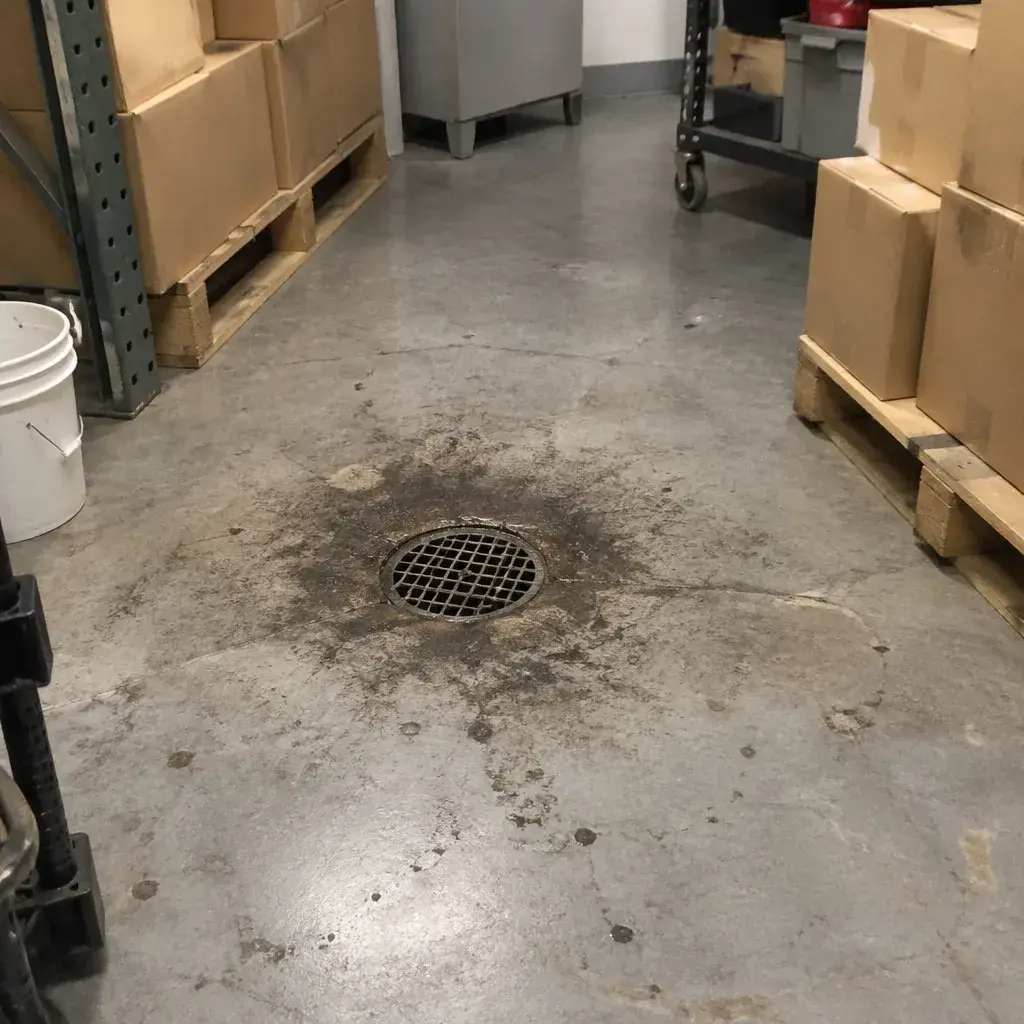
Stockroom cleanup can be complicated by shelving, cartons, and equipment that limit access to the floor and lower wall surfaces. In Minnesota, mark the affected storage bays and note which shelves hold merchandise, so the assessment can account for blocked surfaces without shifting goods unnecessarily. The cleanup professional can determine which building materials need removal, cleaning, or drying. Keep inventory decisions separate from the physical cleanup plan, and check lease or insurer directions before authorizing disposal of stock.
A clear decision record helps explain why an aisle closed, why a stock area changed status, or why a particular material was removed. In Minnesota, keep the time and reason for each operational change, the person who approved it, and any related landlord or insurer instruction. This gives the store contact a consistent account to share across locations when one event affects more than one branch. Avoid treating an estimate or early assessment as a final finding; update the record as conditions are confirmed.
On the sales floor, closure information should be understandable from each approach, with staff able to direct customers without entering the affected area. A store near Columbia Heights Public Library still needs a site-specific route plan; Minnesota-wide rules do not describe every building layout. Mark closed aisles and any approved path to unaffected sections, then tell employees what access is restricted. Ask the cleanup professional to flag changes that could affect the boundary so store notices and floor plans can be updated.
Cleanup deals with sewage contamination and damage inside the store. A plumber investigates the blockage or sewer line and handles repairs to the source; those tasks are separate from cleaning affected building materials. In Minnesota, confirm who is contacting the plumber and who is coordinating the cleanup, so work on the cause and work inside the premises do not leave a gap in responsibility. Do not assume the source or who is liable before it has been established. Follow the lease’s notice process if one applies.
Choose one store contact to keep the working file current and pass approved updates to the landlord, insurer, plumber, and cleanup professional. For a Minnesota retailer near Dakota County Technical College or elsewhere in the state, the lease and policy terms still need to be checked for that particular property. Ask each party what information they need, who may authorize added work, and whether they require notice before materials are discarded. Keep those answers with the record rather than relying on verbal handoffs between shifts.
Record the condition of the store while affected surfaces and goods remain visible. In Minnesota, dated photographs can show the boundary, flooring, fixtures, stock, and packaging; pair them with notes identifying locations and observed changes. An itemized list and the cleanup record may help document damage for an insurance claim, but coverage depends on the policy. Follow the insurer’s evidence instructions and the lease’s process for reporting damage. Keep copies in the store file so decisions can be traced later.
Before damaged merchandise is discarded or work expands beyond urgent containment, review the lease and ask the insurer about required notice, evidence, and approvals. Minnesota guidance notes that sewer backup coverage varies by policy, so do not treat cleanup documentation as confirmation that a claim will be paid. Keep affected goods identifiable when practical and consistent with safety directions. Record who approved disposal or additional work, and what instruction they relied on. This helps clarify the store’s actions if questions arise afterward.
A written work record should describe what happened in this store: sewage removal, handling of contaminated materials, cleaning and disinfection of affected surfaces, odor treatment when needed, and drying of building materials. In Minnesota, ask for the products and methods used, including how disinfectants were applied according to their labels. The assessment should explain why porous materials were removed or retained and what areas required drying. Keep this record with the store’s photos and decisions for landlord or insurer review.
Before an affected section returns to normal use, ask which surfaces were cleaned and disinfected, what materials were taken out, and whether remaining affected building materials have dried. In Minnesota, have the store contact record the professional’s status update and any conditions for continued closure or use. Reopening should follow the cleanup findings and applicable site instructions, not the pressure of a delivery or sales schedule. What evidence does the landlord or insurer need, and who confirms the area can be used again?
In Minnesota, commercial sewage cleanup cost can rise when a larger sales zone or stockroom needs isolation, porous finishes or packaged goods require separate evaluation, or restricted access extends the work schedule. Lease provisions may set notice, entry, or approval steps; insurers may request records before stock is moved. Local requirements can differ, so check with the authority responsible for the address before changing store operations. Ask for the proposed scope and documentation plan before work begins, and keep plumbing diagnosis separate from cleanup decisions.
Use these Minnesota community links to see which residential delivery areas are represented in coverage records; state reference points include Minnesota Agricultural Research Station, Greater Sucker Creek Preserve, and Maple Grove Government Center, includingAkeley, Adams and Adrian. Ask what a site assessment costs, if anything, and whether the pros we connect you with can serve your property.
A Minnesota commercial quote can reflect how many attendances are needed, the portion of the building affected, and whether drying calls for follow-up. $7,000–$14,000 gives a cost reference. For a public site such as Columbia Heights Public Library, removal needs and rooms requiring treatment can alter the scope.In Minnesota, commercial cost follows the footprint and contents: separate rooms, floor and wall finishes, and fixed equipment can add distinct handling and cleaning tasks. For an address near Columbia Heights Public Library or Dakota County Technical College, describe which spaces were reached, what materials or equipment were affected, and any access limits when calling the pros we connect you with.Compare pricing guide to understand estimate drivers; commercial overview outlines how commercial Sewer Backup Cleanup is staged across a site.
Hotel Sewage Cleanup
Minnesota Office Guide
Food Service Cleanup
Keep a dated incident record with when the backup was found, the departments and storage areas involved, and the steps taken afterward. Add photos and a marked store layout as conditions change. Save communications with the landlord and insurer, along with the cleanup assessment and decisions about affected materials, so the records show how the response proceeded.
Do not let staff sort or move exposed products before they are assessed. A cleanup professional can consider each item’s material, packaging condition, and contact with sewage. Some nonporous fixtures may be cleaned and disinfected; absorbent goods or packaging may not be recoverable. Record the assessment and disposition by item or useful product group.
Tell the cleanup professional which departments can close, when deliveries arrive, and which customer or staff routes must remain open. Agree on a work sequence that keeps people outside the affected zone and limits disruption to other operations. Confirm who can approve access and changes to the schedule before work is arranged.
Read the lease for notice, entry, and repair responsibilities, then ask the insurer what records or approvals it expects. Requirements depend on the agreement, policy, and rules that apply to the address. Keep copies of notices and responses with the incident file, and ask the relevant local authority about any applicable cleanup requirements.
Map affected sales, storage, and merchandise areas, then ask the cleanup professional how access, stock decisions, and records will be managed.
Call (612) 493-4857