Start With the Visible Boundary
DIY sewage cleanup may seem manageable when only a small patch is visible, but that view cannot show whether contaminated water reached hidden parts of the structure. In Minnesota, sewage can expose you to harmful contaminants. Broad wetting, seepage into another room, or materials that stay damp are reasons to have the pros we connect you with assess the site before you handle it. Residential coverage includes areas associated with Dakota County Technical College, Beaver Creek Valley State Park, and Sunrise Prairie Regional Trail; conditions still vary from home to home.
The visible mess does not show everything the backup may have touched. Contaminated water can move beyond its first point of entry, and contact can carry germs on objects or into adjoining spaces. In Minnesota homes, avoid handling affected materials when you cannot tell where the water traveled; ordinary household gloves and cleaners do not resolve uncertainty about the area. Professional sewage cleanup can assess the affected space and manage the contamination as a cleanup job.
Signs the Backup Reached Beyond View
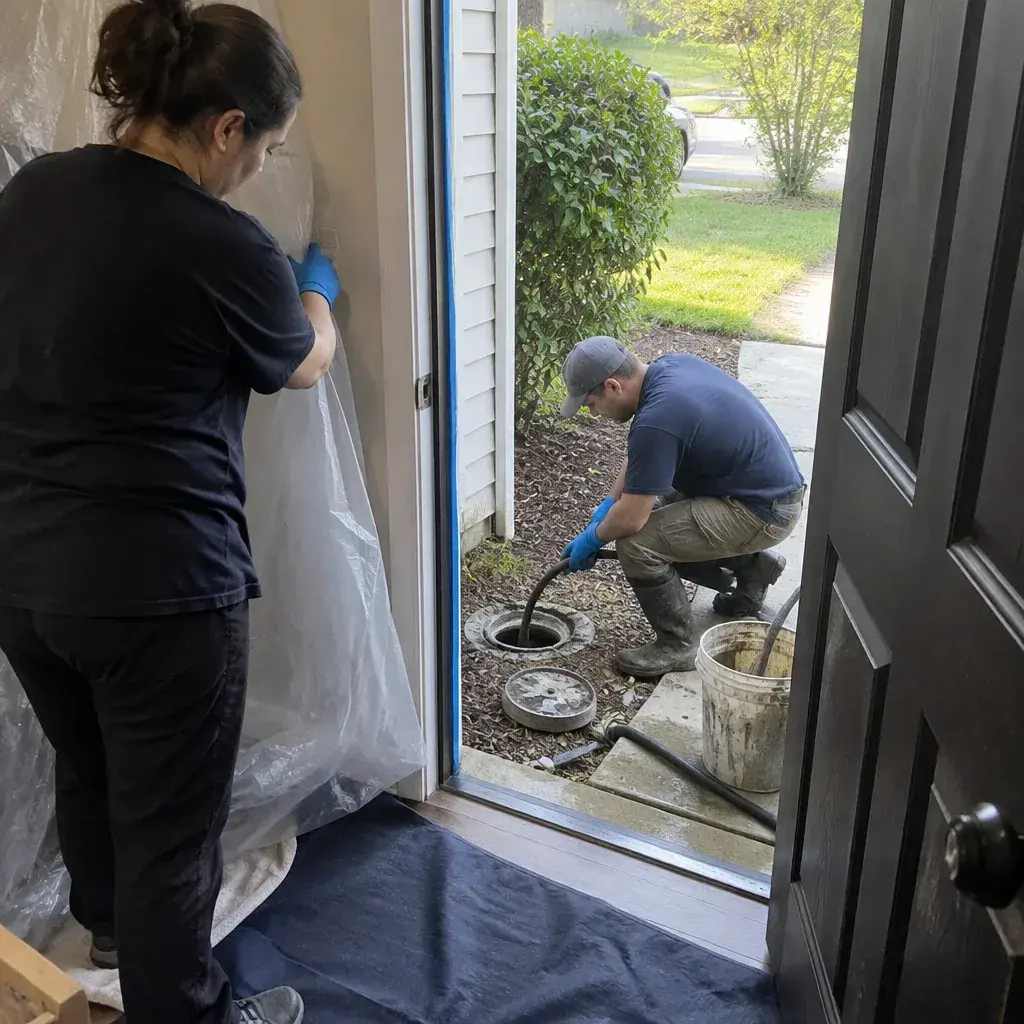
A backup that spans rooms or reaches an enclosed part of a building is harder to judge by sight. A backup may affect materials that need removal even after the water is no longer visible. If the affected boundary disappears behind a wall, under flooring, or into another space, that uncertainty is a reason to bring in professional help rather than assume the visible pool marks the full extent.
The layout can make the spread difficult to follow. In a split-level home, sewage appearing on one level may leave you unsure whether nearby rooms or connected spaces are also affected; the floor plan alone cannot answer that. Across Minnesota, references such as Beaver Creek Valley State Park appear within a broad statewide coverage context, but local sewer conditions vary. Focus on what the backup actually reached at your address, not assumptions about a place or home style.
How Affected Materials Change the Call
Surface type is another useful clue. Sewage on an exposed, hard surface presents a different cleanup question from sewage that has soaked into carpet, padding, or other absorbent material. In Minnesota, porous items that have taken in contamination may need to be removed because wiping the surface cannot address what entered the material. If you cannot tell how deeply a material was affected, professional assessment can clarify whether cleaning is adequate or removal is part of the cleanup.
A complete cleanup considers the structure after visible sewage is gone. Odor is another part of the aftermath that cleanup may address. Those steps address different parts of the aftermath; a cleaned surface does not by itself show that affected building materials have dried. The Minnesota coverage map includes places such as Nerstrand Big Woods State Park, while the right cleanup scope still depends on the property.
When Professional Cleanup Makes Sense
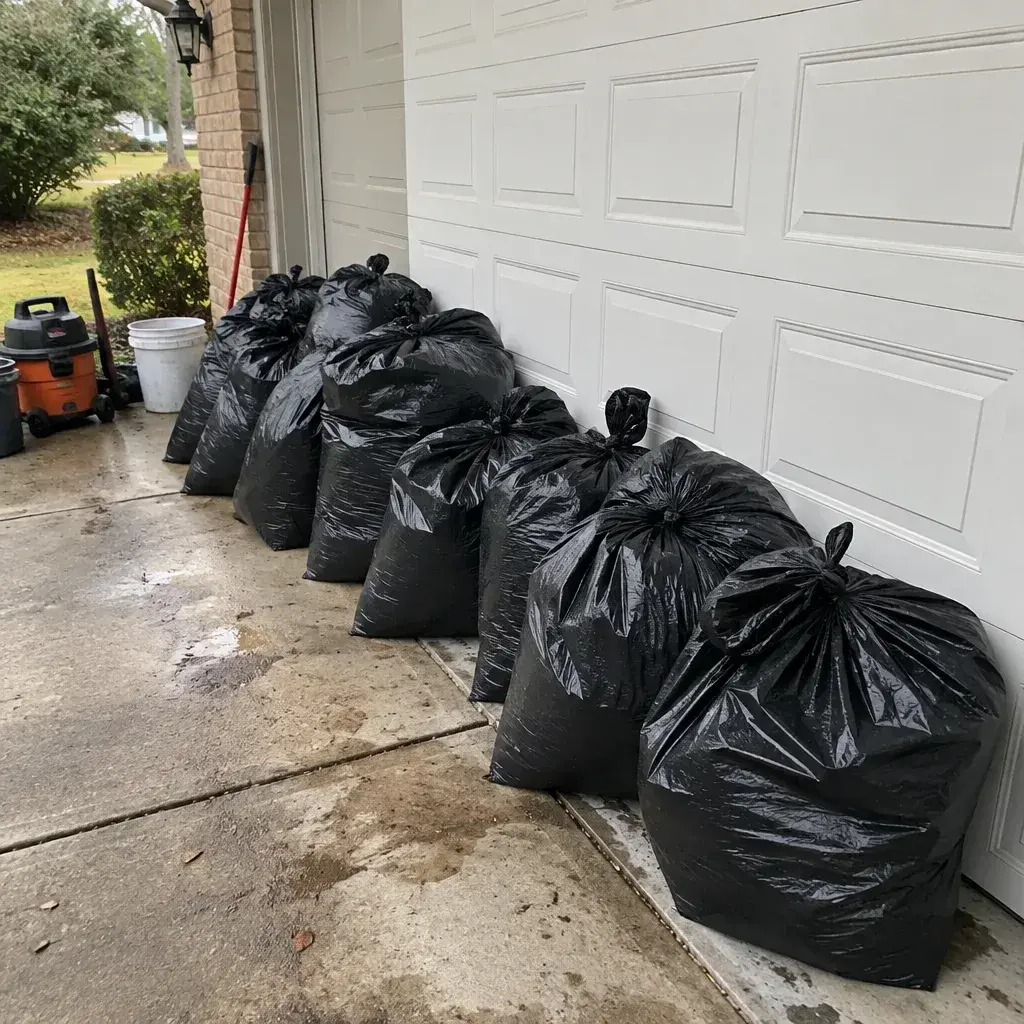
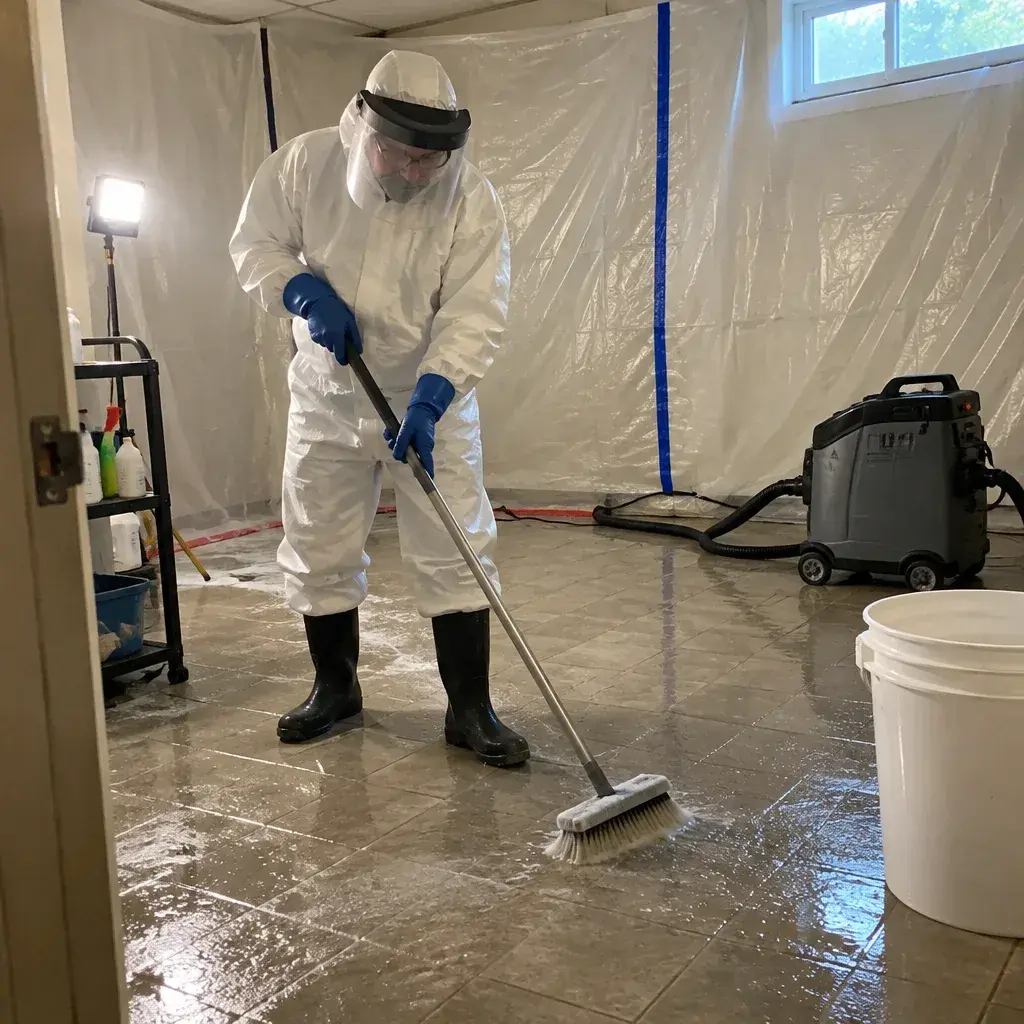
Cleanup can involve separate steps for different materials, with some removed and the remaining surfaces cleaned and disinfected after the affected area is assessed. If sewage has reached carpet, drywall, or other absorbent surfaces, appearance alone may not reveal whether contamination stops at the visible mark. Some materials may need removal before the remaining surfaces can be cleaned and disinfected. Household products and basic protective gear cannot confirm the full area has been addressed. If you cannot assess the materials or cleanup scope safely, contact a qualified professional.
Household cleanup may be a reasonable option only when you can clearly identify the limited affected area and the materials involved without handling sewage or spreading contamination. If any part remains uncertain, contact a qualified cleanup professional and ask what areas and materials the assessment covers. Statewide coverage includes references such as Maple Grove Government Center, but your address and the backup itself determine the cleanup scope. If the source is still unknown, ask whether plumbing diagnosis is also needed.
Dealing with a sewer backup in your home?
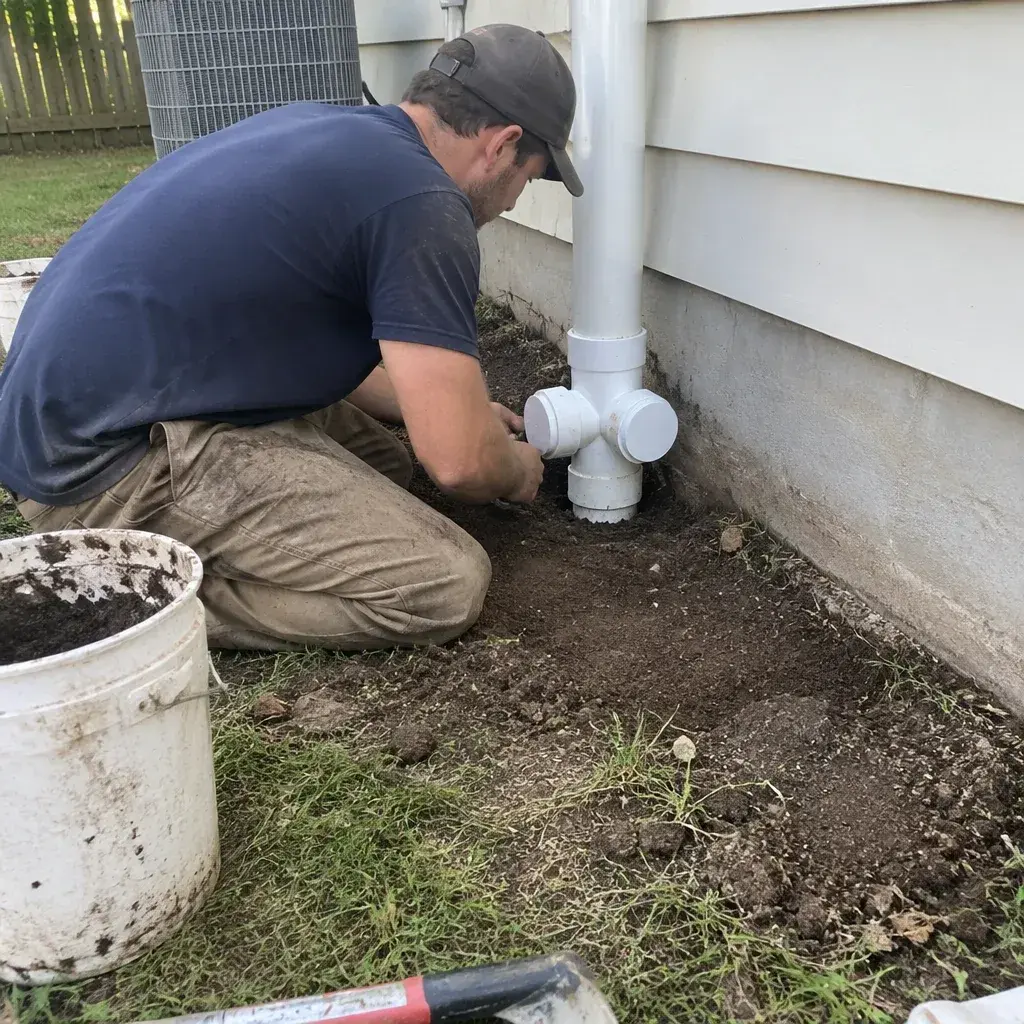
The plumbing cause and the cleanup work are separate parts of the response. Whether you live in a ranch near Clifton E. French Regional Park, a split-level near Beaver Creek Valley State Park, or a subdivision home near Sunrise Prairie Regional Trail, the cleanup question is what the sewage reached. Porous flooring or wall materials may need removal before other surfaces are cleaned, disinfected, and dried. From a safe place, take photos if you can. Assess without entering, then ask a qualified provider among the pros we connect you with about cleanup scope, availability, timing, and any visit charge. Have a plumber diagnose and repair the backup source.