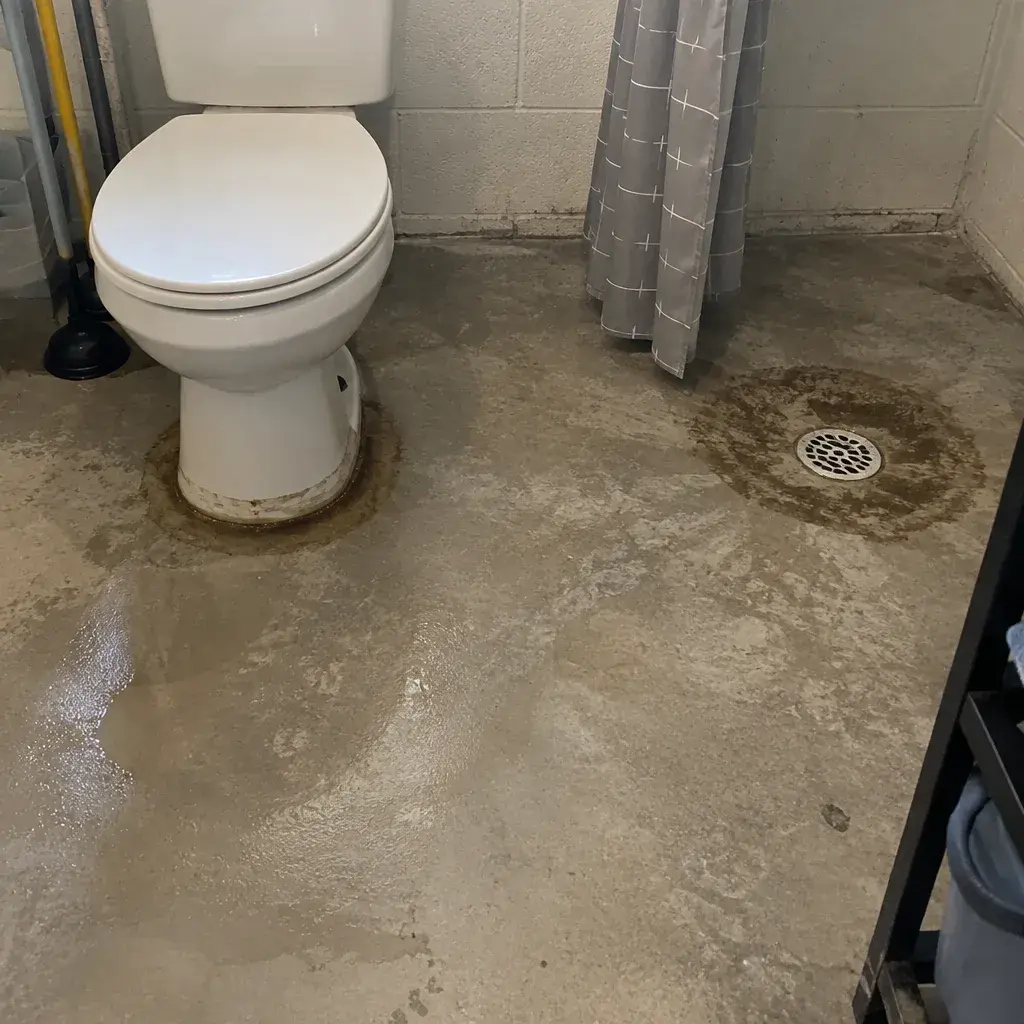
Preparing Clear Notes for an Insurance Review
Minnesota can see intense precipitation and rapid snowmelt, which may overwhelm sewer or stormwater pipes in some conditions. That statewide context does not establish a cause at your property; a plumber must check whether the address uses public sewer or an onsite system and trace the actual source.
Across Minnesota, residential settings range from areas near Cuyuna Country State Recreation Area to communities around North Hennepin Community College and South St. Paul Historical Society. A ZIP or nearby landmark cannot confirm a home’s sewer connection, so verify the address and service setup when seeking help.
Minnesota’s verified residential service areas span many postal locations, but a ZIP label alone cannot confirm an individual address. If you use Nerstrand Big Woods State Park as a map reference, still share the property’s full address to check coverage.
Safe Access During Cleanup
- KEEP CLEAR
- Keep out of affected rooms and leave contaminated belongings where they are until the area is assessed.
- POWER
- Do not cross wet flooring if electrical equipment may have been reached; wait for qualified help.
- RECORD
- Record affected rooms and visible material damage from a dry location, without moving items.
- CONTACT
- Indoor contamination cleanup and investigation or repair of the backup source are separate work scopes.
- SOURCE
- Covered residential areas can get help with sewage cleanup and plumbing from the licensed pros we connect you with.
- Backup Cause
- Minnesota’s cold winters leave snow that can melt rapidly, while intense rain can also strain sewer and stormwater systems. Either condition may contribute to backups, but season alone cannot identify the cause at a particular property.
- WORK AREA
- an estimated $2,700–$6,800
Dampness Without Sewage Needs Assessment
Sump-pump failure. It can also leave water on a lower level, so the visible pooling may look similar; identifying whether water came from a sump system or a drain backup helps determine the appropriate cleanup scope. Compare the written scopes. Ask whether plumbing work needs to happen before cleanup can be completed. Ask who is handling each part before work begins.
Keeping Contamination From Spreading
The plumber first determines whether the blockage is in a fixture branch, building drain, or sewer line; the findings guide clearing or pipe repair. Check baseboards and cabinet interiors for signs of moisture beyond the visibly affected floor.
After removal, the cleanup work proceeds across affected surfaces with cleaning and disinfection, followed by moisture checks and structural drying; odor treatment may also be needed. A plumber separately investigates the backup source and clears or repairs the plumbing problem. Cleanup does not itself repair the sewer line.
One visit may be enough when sewage stays on washable surfaces and affected contents can be cleared. If it reaches absorbent flooring or wallboard, removal and moisture checks can extend the plan. Across Minnesota, the pros we connect you with address indoor contamination; tracing or restoring the pipe calls for plumbing.
WHICH DAMAGE TASKS BELONG TO CLEANUP OR LATER REPAIR
| Surface Cleaning |
Confirm Moisture Is Gone |
|---|
| One doorway affected; adjoining rooms stayed clean | Odor control |
| Fresh waste traces after disinfection | Material assessment |
| Debris may reach beyond the first wet area | Sewage debris removed; surfaces cleaned, disinfected, dried |
DAMAGE RECORDSMinnesota Statutes section 466.035 addresses claims involving municipal employees or agents and sewage backups; it does not by itself decide who caused a specific event. Request the plumber's findings in writing, including whether the cause remains uncertain.
What Sewage Means for Household Belongings
If sewage remains against absorbent flooring, trim, or wallboard, it can move beyond the visible wet area and affect more material. Cleanup then may involve removing contaminated porous sections, treating remaining surfaces, and drying the structure; a plumber must investigate the source separately.
Gather Damage Records From a Dry Room
From a dry, safe spot, you can close the affected room to foot traffic, keep pets away, and write down what you observed. Photograph visible damage only from outside the contaminated area. Stop there if sewage, wet electrical equipment, or an uncertain hazard is present; leave removal and disinfection to cleanup professionals.
Barriers That Protect Unaffected Rooms
Sewage in a building is a hazard, not a routine spill. Keep household members and pets outside the affected space, and avoid touching the water, wet contents, or nearby equipment. Do not begin cleanup if you cannot avoid contact or confirm the area is safe. Have the affected rooms assessed before they return to household use.
How Does Access Affect the Estimate?
Ask whether the cleanup includes removing materials that cannot be safely cleaned; leaving contaminated items in place can affect the finished work.Cleanup handles materials and surfaces differently: materials that cannot be cleaned are removed, while the remaining surfaces receive disinfection and drying. Plumbing diagnosis or repair sits outside that cleanup scope. Near Rum River Central Regional Park or Walnut Street Historic District, ask the pros we connect you with to confirm any visit fee and the exact tasks directly.Find cleanup brackets in pricing guide and see how contamination extent and affected materials influence the work.