A wet shoeprint leading onto a hallway rug
A splash to the face or contact with a cut may expose tissue that is easier to irritate or infect. Rinse exposed skin or eyes with clean water, and avoid rubbing the area.
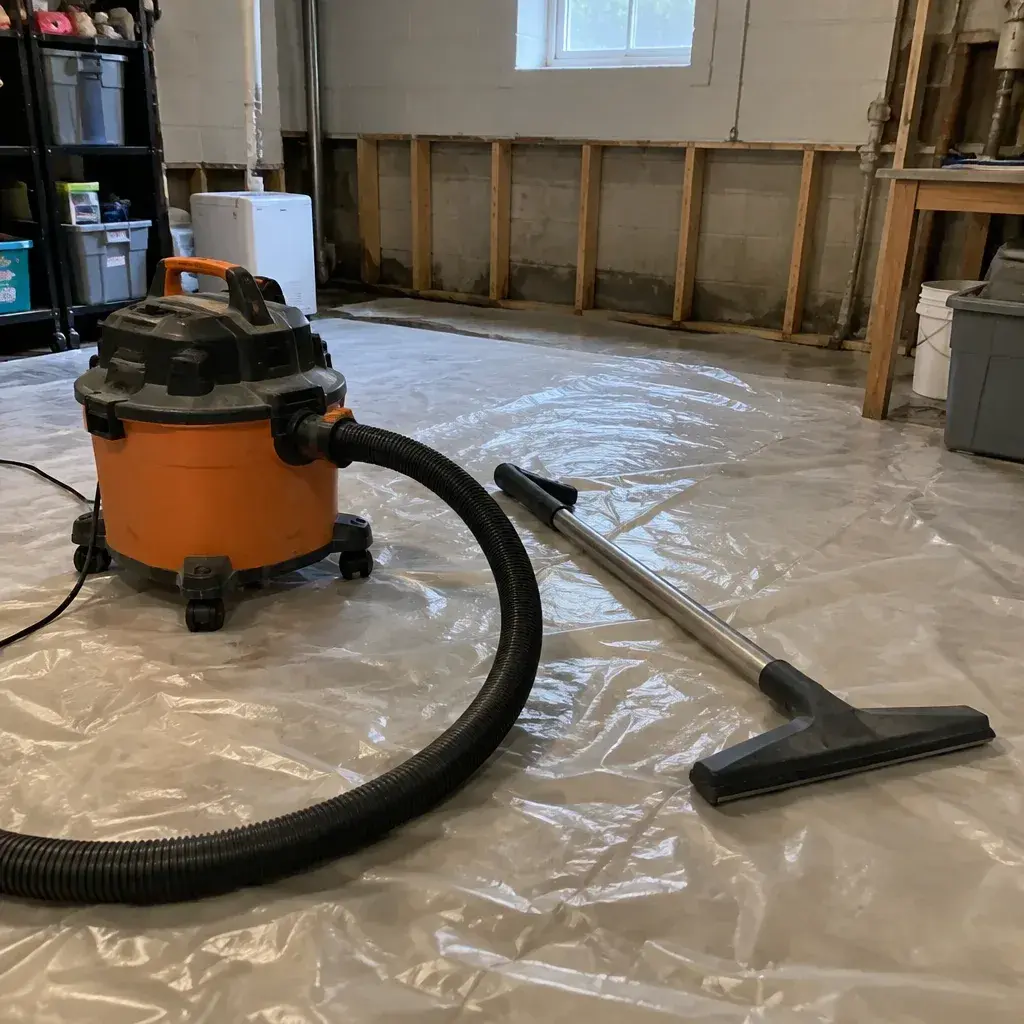
Minnesota's cold winters, snowmelt, intense rain, and flooding can coincide with sewer backups. Weather alone cannot tell you whether sewage came from a sewer line or an onsite system, so identify the source before treating seasonal water intrusion as a sewer backup.
Sewage can carry germs that may cause illness or irritate skin and eyes. Residue may remain on porous materials after standing water has been removed. A cleanup professional can assess the affected space; a plumber addresses the backup source.
In Minnesota, calls may follow sewage reaching porous furnishings, since some absorbent items cannot be restored by surface cleaning alone.
A splash to the face or contact with a cut may expose tissue that is easier to irritate or infect. Rinse exposed skin or eyes with clean water, and avoid rubbing the area.
A dirty hand touching a snack, cup, or utensil can carry residue toward the mouth. Wash hands with soap and water before handling anything meant to be eaten.
Red, itchy, or stinging skin after possible contact could be irritation, but the sign alone cannot identify its cause. Avoid another exposure and seek medical guidance if the reaction persists or concerns you.
Damp marks outside the room can show that footwear or an object moved residue across the floor. Avoid mopping or spreading the damp residue into adjoining rooms.
A strong sewage odor does not measure how much contamination remains or prove that the air or surfaces are safe. Do not use smell as a reason to re-enter; keep the room closed and let the cleanup assessment determine what needs attention.
In Minnesota, heavy precipitation can strain sewer systems, and flooding or rapid snowmelt can contribute to backups. The state’s climate and water guidance also points to undersized sewer and stormwater pipes as a factor; these conditions can affect homes connected to those systems.
Minnesota coverage spans places from Minnesota Agricultural Research Station to Bertram Chain of Lakes Regional Park and Swedish Immigrant Regional Trailhead. Heavy precipitation and seasonal thaw are statewide cleanup context, while the conditions at a particular home depend on its address and sewer setup.
You can ask about a Minnesota property even when you are calling from elsewhere. The service map follows verified residential ZIP coverage, while the affected building’s address determines whether the pros we connect you with can discuss the request.
The cleanup approach depends on what the water contains and which materials became wet. Where the water appeared—through a drain or from outside—can help distinguish the events, but a professional assessment may be needed to identify the contamination. A backup may happen when wastewater cannot move through the drain line as intended. That observation gives a plumber useful context, but appearance alone cannot confirm the source. A cleanup professional assesses indoor contamination while the plumber investigates the plumbing.
The pros we connect you with begin by assessing the affected rooms and setting a boundary between contaminated and clean space. They identify surfaces and materials for removal, cleaning, or drying, then extract sewage. They then clean and disinfect salvageable surfaces and dry the remaining materials.
When sewage continues to enter, the pros we connect you with check where it is coming through and whether the flow has stopped. A plumber traces the restriction or damaged sewer line, then clears the blockage or repairs the line. Cleanup can address indoor contamination after the source is controlled.
Before cleanup starts, check whether water is still entering; heavy rain and flooding can overload sewer systems in Minnesota. Limited surface contamination may fit one visit, while damp building layers can call for follow-up. The pros we connect you with handle indoor cleanup; pipe troubleshooting is plumbing work.
| Porous Material Review | Separate Clean Spaces |
|---|---|
| Sewage reached hard flooring; soft goods stayed clear | Moisture drying |
| Contaminants emerging from treated materials | Odor treatment |
| Absorbent goods and hard finishes need attention | Discard sewage-soiled contents; wash, disinfect, dry |
Minnesota Commerce says sewer-backup damage is typically excluded from standard homeowners and flood policies; separate endorsements may be available, with terms varying by insurer and policy. Check your policy with your insurer. Keep photographs and communications with the insurer alongside the invoice.
In a Minnesota basement, prolonged contact lets moisture and residue reach stored items and absorbent finishes; foot traffic can carry it onto stairs and into adjoining rooms. Later cleanup must account for those surfaces and belongings as well as the original area, while a plumber stops any continuing entry.
From a clean, dry spot, tell everyone which rooms to avoid and note where you see wet flooring without entering. Keep pets and household traffic on a separate route. Photograph visible damage from that dry spot if you can do so without approaching it.
Treat sewage as unsafe to touch or track through the house. In Minnesota, splashes may reach eyes or mouth, while residue on hands, shoes, or objects can transfer to food. Keep contaminated items apart from clean belongings to reduce the chance of spreading residue. From Sherburne National Wildlife Refuge to Beaver Creek Valley State Park and Dakota County Technical College, exposure concerns call for the same caution: if contact occurred or symptoms develop, seek advice from a clinician or Minnesota health department.
Tell the pros we connect you with whether affected walls or floors are finished; materials that need removal add work before the structure can dry.Cleanup handles materials and surfaces differently: materials that cannot be cleaned are removed, while the remaining surfaces receive disinfection and drying. Plumbing diagnosis or repair sits outside that cleanup scope. Near Rum River Central Regional Park or Walnut Street Historic District, ask the pros we connect you with to confirm any visit fee and the exact tasks directly.Find cleanup brackets in pricing guide and see how contamination extent and affected materials influence the work.
Cost factors. Sewage cleanup cost depends on the affected work area, the cleanup steps…
Sewage can carry germs that cause illness, and contact may also irritate skin or eyes. Risk depends on how exposure happened and how much contact occurred; a smell alone cannot tell you whether a room is safe. Avoid touching wet residue, and keep food and drink out of the affected space. Contaminated droplets can settle on nearby surfaces even when standing water is no longer visible.
An exposure deserves extra caution when the person is an infant, an older adult with fragile health, pregnant, or has reduced immune defenses. These factors do not mean illness will occur, but they can affect how serious an infection may become. Note when the contact may have happened and watch for changes in how the person feels.
Set a household route that stays on clean floors and does not cross the affected rooms. Close doors where possible, and move everyday activities to an unaffected part of the home; in a split-level, use the clean stairs and landing rather than cutting through a wet lower level. Keep pets on the clean side until cleanup and assessment are complete.
The type and route of contact can help determine what follow-up may be appropriate. Share when it happened and whether the person feels unwell; do not wait for symptoms if the person has a health condition that makes infection a greater concern. Follow the guidance you receive.
Do not handle exposed contents while you arrange an assessment. Call the pros we connect you with, ask about the visit charge before setting a time, and request written findings with a proposed cleanup plan. In Minnesota, the plan should distinguish building cleanup and drying from plumbing repairs to the sewer line.
Call (612) 493-4857